
India's ₹7,280 Crore Plan for Rare Earth Magnets Takes Shape
India advances its ₹7,280-crore scheme to boost domestic rare earth magnet manufacturing, crucial for EVs and defence. IREL to supply 500 tonnes of raw material annually.

India advances its ₹7,280-crore scheme to boost domestic rare earth magnet manufacturing, crucial for EVs and defence. IREL to supply 500 tonnes of raw material annually.
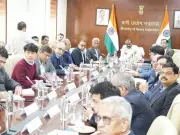
Union Minister HD Kumaraswamy leads a crucial stakeholder consultation on India's Rs 5,000 crore scheme for rare earth magnet manufacturing, aiming for self-reliance in EVs and defense. Read more.

China's latest ban on rare earth exports to Japan may prove counterproductive, as Japan's decade-long diversification efforts and a global supply chain shift reduce Beijing's leverage. Read the full analysis.

China bans exports of critical rare-earth magnets to Japan, escalating a geopolitical dispute. While Japan is prepared, global industries from EVs to wind turbines face supply chain turbulence. Explore the global ripple effects.

India's top electric bus and truck manufacturers plan to request a one-year extension on import exemptions for rare earth magnet motors under the PM E-Drive scheme, citing persistent supply disruptions from China. Read more.

China's 2025 export ban on rare-earth magnets exposed India's auto sector vulnerability. Discover how companies and the government are building resilient supply chains for 2026.

India launches a ₹7,280-crore subsidy scheme to build domestic rare earth magnet plants, reducing reliance on China. Learn how the incentives work and its impact on defence, EVs, and renewables.

German offshore wind firms explore India as an alternative source for rare earth magnets, crucial for turbines, to reduce dependence on China. India's manufacturing push could meet global demand.

A new AI trend is sweeping social media, creating neat top-down photos of city landmarks as tiny 3D souvenir magnets. Learn how to use the viral prompt for your city!

India's heavy industries ministry proposes new rules for e-ambulances, allowing imports of critical traction motors till March 2026 under the PM E-Drive scheme to boost domestic EV manufacturing.

India's EV ambitions face a supply chain crisis, relying 100% on imports for crucial rare earth magnets. Learn about the hurdles and the strategic path to self-reliance.

Essential UPSC updates: Govt's Sanchar Saathi app directive, GPS spoofing threats, WHO's obesity guidelines, fiscal federalism debate, and India's rare-earth push. Key insights for Prelims & Mains.

Is the old warning about magnets damaging electronics still true? We explore the facts for TVs, phones, and laptops in modern India, separating myth from reality.

Chinese magnet makers are tweaking formulas and embedding products in motors to legally bypass Beijing's export restrictions, maintaining crucial supplies to Western industries. Discover the strategies and geopolitical tensions.

India is reworking its EV strategy and will host a Global EV Summit in March-April 2025 to attract investments, address supply chain issues, and boost domestic policy for e-trucks and buses. Read the full story.
India now produces rare-earth metals but still imports advanced magnets from China. This structural vulnerability in EV and green tech supply chains demands a strategic, wide-angle policy response. Read the analysis.
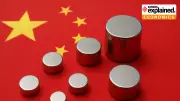
India launches Rs 7,280 crore scheme to boost rare earth magnet manufacturing, reducing 90% dependence on China. Learn how this impacts EVs, defense and renewable energy sectors.

GMDC shares extend winning streak to 3 days, gaining 8.4% after Cabinet approves ₹7,280 crore incentive program for rare earth magnets to reduce China dependence. Read more.

Indian government approves massive incentive scheme to establish domestic rare earth magnet manufacturing capacity, aiming to end China's 90% global stranglehold by 2027-28. Read how this impacts auto, defense sectors.

India launches ₹7,280 crore scheme for rare earth magnet production while emphasizing recycling and diplomacy to counter China's supply dominance. Read about India's strategic approach.
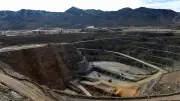
Indian government approves Rs 7,280 crore PLI scheme for rare earth magnet manufacturing, boosting electric vehicles and defense sectors. Learn how this strategic move reduces import dependency.

India launches ₹7,280 crore scheme to boost domestic rare earth magnet production, reducing import dependence for EVs, defense, and renewable energy sectors. Learn how this impacts India's green future.

India launches ₹7,280 crore incentive scheme to manufacture 6,000 tonnes of rare earth magnets annually, reducing dependence on Chinese imports for automotive and defense sectors.

Indian cabinet approves Rs 7,280 crore PLI scheme for rare earth magnet manufacturing to boost electric vehicles and reduce import dependence. Details inside.
India launches ₹7,280 crore Rare Earth Permanent Magnets scheme to boost domestic manufacturing, reduce import dependence, and support electric vehicles and renewable energy sectors. Read more about this strategic initiative.

India's permanent magnet imports from China dropped 56% in FY26 first half as automakers pivot to alternatives. Industry sees no turning back from supply chain de-risking strategy.

India's ₹7,300 crore PLI scheme for rare earth magnets expected to get cabinet approval within a month, reducing China dependency for EVs and defense components.

A new rare-earth magnet plant in Estonia, backed by the EU, begins production but will meet only a fraction of Europe's demand, highlighting the continent's struggle to reduce reliance on China.
China plans a validated end-user system for rare-earth exports, easing flow to civilian firms while blocking US military suppliers. Learn how this affects global trade.

India launches ambitious ₹6,500 crore scheme to triple rare earth magnet manufacturing, reducing import dependency and strengthening electric vehicle and defense sectors.