Domestic SIPs Counter Foreign Capital Exodus
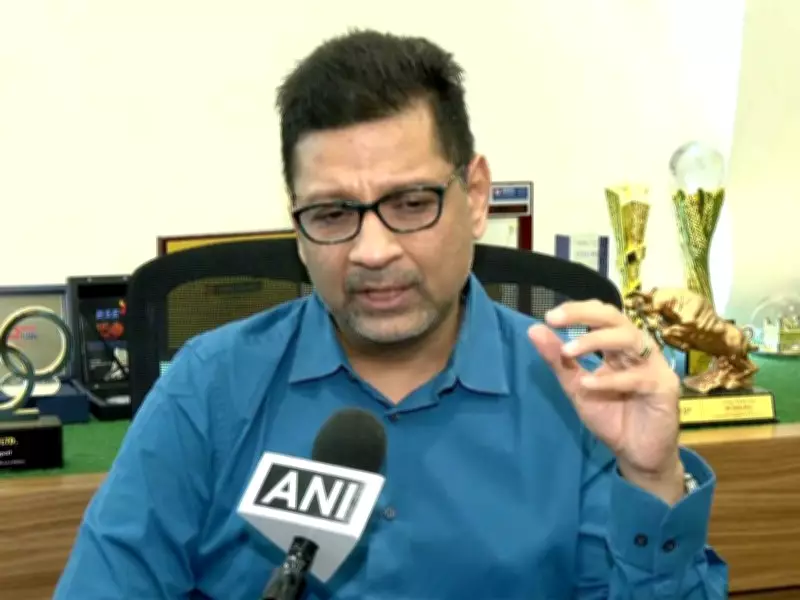
India's financial markets are structurally transitioning from foreign dominance to domestic hands, shielding the economy from severe downside risks despite a prolonged three-year selling streak by Foreign Portfolio Investors (FPIs), according to HDFC Securities. Unmesh Sharma, Senior Executive Vice President at HDFC Securities, explained that the multi-year foreign capital exodus stems from global asset allocation and recent geopolitical skirmishes.
“Look, you have to look into the reasons in the last three years why FPIs have been selling India—the first part was actually switching into other markets because some only markets, like Korea and China, were offering better value,” Sharma stated. He added that recent wars triggered a broad “risk-off globally on all risk assets” across emerging markets. However, selective buying persists where earnings visibility exists, and net outflows are much smaller when adjusted against booming primary market inflows.
FDI and Domestic Savings Drive Resilience
Sharma noted that long-term Foreign Direct Investment (FDI) is higher for fixed asset technology and will spike as structural investments scale up across India's power, steel, and manufacturing sectors. This resilience is heavily driven by a cultural shift in domestic retail savings since 2016, with a massive wallet share moving systematically into equities.

“If you look at SIP, it has singularly been the largest driver for driving investor habit to ensure that capital comes into the markets,” Sharma emphasised. Regular monthly systematic investment plans (SIPs) have turned investing into an unbreakable habit. Even with muted retail equity performance over the last two years, advisors have educated investors to stay long-term positive on corporate India. “Right now there seems to be a lot of maturity in the Indian investor that they are actually motoring through the period to be able to do that,” he observed, ruling out any severe risk of domestic retail capital falling off a cliff over the next 6 to 12 months.
Global Diversification and Brain Drain Reversal
Wealthy Indian investors are aggressively using global asset diversification to hedge against local currency risk, given the historical 4 per cent compound annual depreciation of the Rupee. Sharma clarified that this global footprint is a strategic portfolio decision for affluent global citizens, not a vote of no confidence in the local economy. He also highlighted a turnaround in India's historical “brain drain” patterns, with vast domestic scope available post-1991 for STEM and finance professionals to thrive directly inside India.
RBI Rate Outlook: No Cuts, Possible Hikes
Turning to monetary policy, Sharma struck a hawkish note. With the US Federal Reserve's rate-cut path remaining sticky and domestic inflation expectations for the year drifting above 5 per cent due to unresolved food and monsoon data, local rate cuts are off the table. “Do I see the probability of a rate cut? The answer is probably not... not expecting a rate cut, expecting the next move to be a rate hike,” he cautioned. Despite macroeconomic pressures, including volatile crude oil and LNG supply disruptions, Sharma dismissed any narrative of an impending structural emergency, noting that India has used historical shocks, like the 2013 currency crisis, to structurally reform bank balances.
Market Outlook: Sideways Consolidation, Post-Diwali Rally
Sharma expects the immediate next quarter to remain quiet as corporate earnings adjustments and macro shocks filter through, targeting a full-year aggregate growth rate of 10 to 12 per cent. In the near term, he expects the Nifty to move sideways, consolidating within a range of 23,000 to 25,000. For investors sitting on liquid cash, he advised against going “all in” immediately, advocating a staggered 6-to-12-month systematic transfer model to acquire assets at attractive valuations. As macro overhangs clear by the second half of the year, fresh capital allocations should stabilise equity markets, paving the way for a decisive post-Diwali rally to reclaim previous highs before the calendar year wraps up.