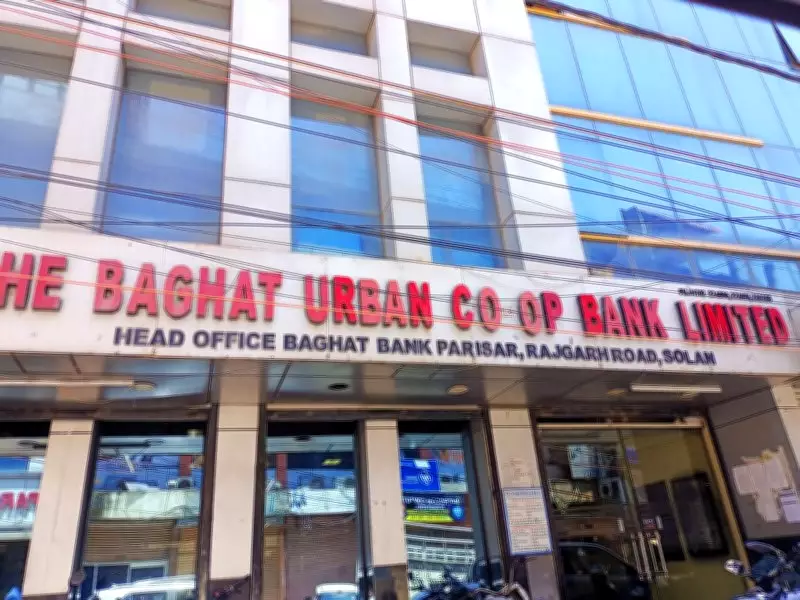
The Baghat Urban Cooperative Bank, Solan, is on the verge of losing its banking licence following a notice from the Reserve Bank of India (RBI). The central bank's action stems from years of governance failures, weak internal controls, and deteriorating financial health at the cooperative lender.
According to sources familiar with the matter, the RBI issued a show-cause notice to the bank's management, warning that its licence could be cancelled if it fails to address the deficiencies. The notice highlights persistent non-compliance with regulatory norms and poor asset quality that have eroded the bank's capital base.
Governance and financial decline
The Baghat Urban Cooperative Bank has been struggling with mounting non-performing assets (NPAs) and inadequate provisioning. As of the latest available data, the bank's gross NPAs exceeded 15% of total advances, well above the prudential limits set by the RBI. The bank's capital adequacy ratio has also fallen below the regulatory minimum of 9%, raising concerns about its ability to absorb losses.

Insiders attribute the crisis to prolonged mismanagement and lack of oversight by the board of directors. Several former officials have been accused of sanctioning loans without proper due diligence, leading to a spike in defaults. The RBI's inspection report, which preceded the notice, pointed out systemic lapses in internal audit and risk management processes.
Impact on depositors and customers
If the licence is cancelled, the bank will be barred from accepting new deposits and conducting banking operations. Existing depositors would be entitled to claim insurance cover of up to Rs 5 lakh per account under the Deposit Insurance and Credit Guarantee Corporation (DICGC) scheme. However, amounts exceeding this limit could be at risk.
Customers have expressed anxiety over the fate of their savings. One depositor, who wished to remain anonymous, said: "We have been with this bank for decades. The news of possible closure is alarming. We hope the RBI and the bank management find a solution."
Regulatory action and possible resolution
The RBI has given the bank a specified time frame to respond to the notice and present a revival plan. The bank's board is reportedly exploring options such as a merger with a stronger cooperative bank or a capital infusion from members. However, given the severity of the financial stress, regulatory sources indicate that revival may be challenging.
In recent years, the RBI has cracked down on weak urban cooperative banks to protect depositor interests and maintain financial stability. Several such banks have been merged or had their licences cancelled after failing to meet regulatory standards.
Historical context and state government role
The Baghat Urban Cooperative Bank was established decades ago to serve the local community in Solan district. It has a network of branches in Himachal Pradesh and has traditionally catered to small traders, farmers, and salaried employees. The state government's cooperation department is also monitoring the situation and may intervene to facilitate a resolution.
Industry experts note that the crisis at Baghat bank is symptomatic of broader governance issues in the cooperative banking sector. They call for stronger regulatory oversight and professional management to prevent such failures.