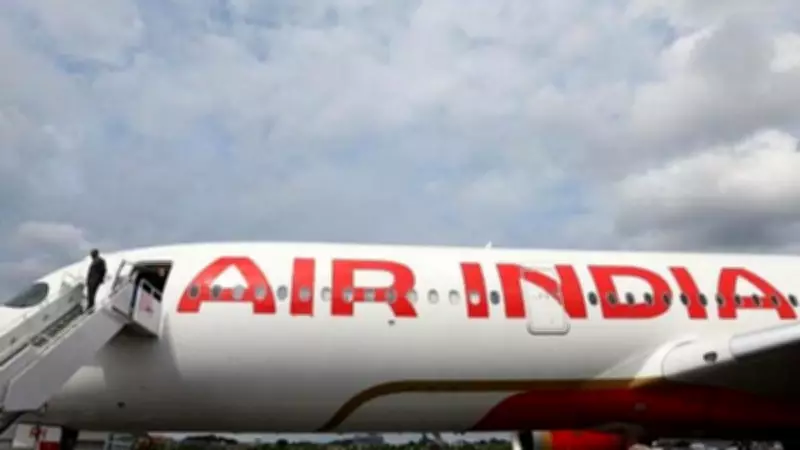
Air India Technical Incidents Surge to 14-Month High in January 2026
A confidential document has disclosed that Air India experienced a significant spike in technical incidents during January 2026, marking the highest level in over a year. The report highlights various operational challenges, including fuel leaks, which have raised concerns about the airline's maintenance and safety protocols.
Details of the Technical Issues
The document specifically points to fuel leaks as a prominent issue among the technical incidents recorded. These incidents contributed to the overall increase, which peaked in January, according to the findings. The data indicates a troubling trend for the national carrier, suggesting potential vulnerabilities in its operational framework.
Selective Data Comparisons Raise Questions

Interestingly, the report makes selective comparisons to global airline industry norms. However, it relies on data that is not publicly available, limiting transparency and making it difficult to verify the accuracy of these benchmarks. This lack of open data has sparked discussions about the reliability and context of the findings.
Limitations and Omissions in the Report
The document does not include information on Air India Express, the airline's budget subsidiary. This omission leaves a gap in understanding the full scope of technical issues across the Air India group. Without data from Air India Express, the report provides an incomplete picture of the airline's overall operational health.
Report Date and Source
The report was last updated on 24 February 2026, at 10:05 IST, and has been cited in business news coverage. It underscores ongoing challenges in the aviation sector, particularly for major carriers like Air India.
Implications for Air India and the Aviation Industry
This surge in technical incidents could impact Air India's reputation and operational efficiency. Key points to consider include:
- The need for enhanced maintenance checks to prevent fuel leaks and other issues.
- The importance of transparent data reporting to build trust with passengers and regulators.
- Potential effects on airline safety standards and compliance with global norms.
As the aviation industry continues to recover and evolve, such reports highlight the critical role of robust technical management in ensuring safe and reliable air travel.