Business Leaders Forge Historic Partnership for Tribal Welfare Across India
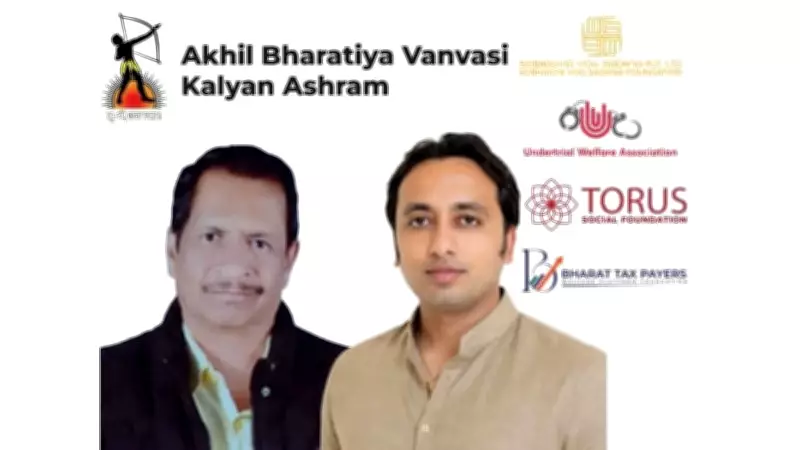
In a landmark move aimed at transforming the lives of tribal communities, a group of distinguished business professionals has entered into a comprehensive Memorandum of Understanding (MoU) with the Akhil Bharatiya Vanvasi Kalyan Ashram (ABVKA). This pan-India agreement is set to catalyze development initiatives across an extensive network of 52,000 villages, marking a significant step forward in addressing the socio-economic challenges faced by indigenous populations.
Key Signatories and Their Vision for Inclusive Growth
The MoU was formally signed by Digant Sharma, Pratiush Sharma, Chartered Accountant Mahendra Turakhia, and Vishwas Jadhav, all of whom are recognized for their contributions to the business and financial sectors. Their collective expertise is expected to bring a strategic, results-oriented approach to tribal development, focusing on sustainable solutions that empower communities at the grassroots level.
This collaboration underscores a shared commitment to leveraging private sector resources and innovation to complement the efforts of ABVKA, a well-established organization dedicated to the welfare of vanvasis (forest dwellers) and tribal groups. By joining forces, the partners aim to create a robust framework for holistic development that goes beyond mere charity, fostering self-reliance and economic independence.

Scope and Impact of the MoU on Tribal Communities
The agreement encompasses a wide array of initiatives designed to uplift tribal populations across India. Key focus areas include:
- Education and Skill Development: Enhancing access to quality education and vocational training to improve employability and entrepreneurship among tribal youth.
- Healthcare Access: Strengthening healthcare infrastructure and services to address prevalent health issues and improve overall well-being.
- Economic Empowerment: Promoting livelihood opportunities through agriculture, handicrafts, and small-scale industries, supported by market linkages and financial inclusion programs.
- Cultural Preservation: Supporting efforts to preserve and promote tribal heritage, languages, and traditions, ensuring their rich cultural legacy is safeguarded for future generations.
With a reach extending to 52,000 villages, this initiative is poised to make a tangible difference in the lives of millions of tribal individuals. The scale of the project reflects a deep understanding of the diverse needs of these communities, from remote forested regions to semi-urban tribal settlements.
Strategic Alignment with National Development Goals
This partnership aligns closely with broader national objectives, such as the government's focus on inclusive growth and rural development. By targeting tribal areas, which often lag in development indicators, the MoU addresses critical gaps in infrastructure, education, and economic opportunities. The involvement of business leaders brings a pragmatic, efficiency-driven approach that can help optimize resource allocation and ensure measurable outcomes.
Moreover, the collaboration highlights the growing trend of corporate social responsibility (CSR) evolving into more integrated, long-term engagements. Rather than one-off donations, this MoU represents a sustained commitment to creating lasting impact through collaborative planning and execution.
Future Prospects and Expected Outcomes
Looking ahead, the signatories have outlined a phased implementation plan that will involve regular monitoring and evaluation to track progress. Key performance indicators will include improvements in literacy rates, health metrics, income levels, and overall quality of life in the targeted villages. The partners also plan to engage local community leaders and stakeholders to ensure that interventions are culturally sensitive and contextually relevant.
This initiative is expected to serve as a model for future public-private partnerships in the social sector, demonstrating how business acumen can be harnessed for societal good. As the projects roll out over the coming years, the hope is to see a significant upliftment in tribal communities, contributing to a more equitable and prosperous India.

In summary, the signing of this MoU marks a pivotal moment in the journey toward tribal development, blending the strengths of business innovation with grassroots activism to create a brighter future for India's indigenous populations.