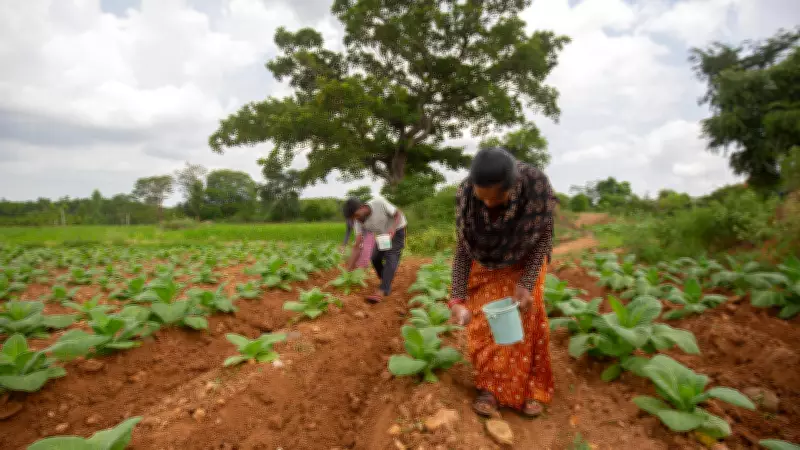
When US President Donald Trump launched a war on Iran at the end of February, experts in various fields warned of a possible apocalypse. Energy experts predicted humongous shortages of oil and refined products (petrol, aviation fuel, diesel) since the Gulf accounted for 20% of world exports. Food experts predicted a crisis for farmers and hungry children because urea prices doubled from $450/tonne to $900/tonne, threatening food shortages and higher prices globally. Industrial experts highlighted the big share of the Gulf countries in world exports of aluminium, petrochemicals, helium, and plastics, all held up by the Gulf traffic freeze.
Economic predictions of doom
Economists predicted a global recession if the war persisted. Higher prices emanating from shortages would crush purchasing power globally. Government spending globally would be hit by falling tax revenue as economies slowed, even as they felt obliged to raise subsidies. Fiscal deficits would rise, and interest rates with them. Trade deficits would widen, currencies would weaken, and the poorest countries would be worst hit.
How India defied the odds
However, the apocalypse did not materialize. India's economy showed remarkable resilience despite the initial shock. The country managed to secure alternative oil supplies from other regions, and the government's strategic petroleum reserves helped cushion the impact. Additionally, the agriculture sector adapted by using alternative fertilizers and improving efficiency, mitigating the food crisis. The industrial sector also found ways to source raw materials from non-Gulf countries, albeit at higher costs, but without causing a complete breakdown.

India's fiscal and monetary policies played a crucial role. The central bank intervened to stabilize the rupee, and the government provided targeted subsidies to the most vulnerable sectors. As a result, the economy avoided a recession, and growth, though slowed, remained positive.
The experience highlighted India's ability to navigate global crises through proactive policy measures and diversification of trade partners. While the war caused disruptions, the anticipated catastrophe was averted, showcasing the strength of the Indian economy.