LPG Cylinder Price Increases by Rs 60 Amid Global Energy Market Pressures
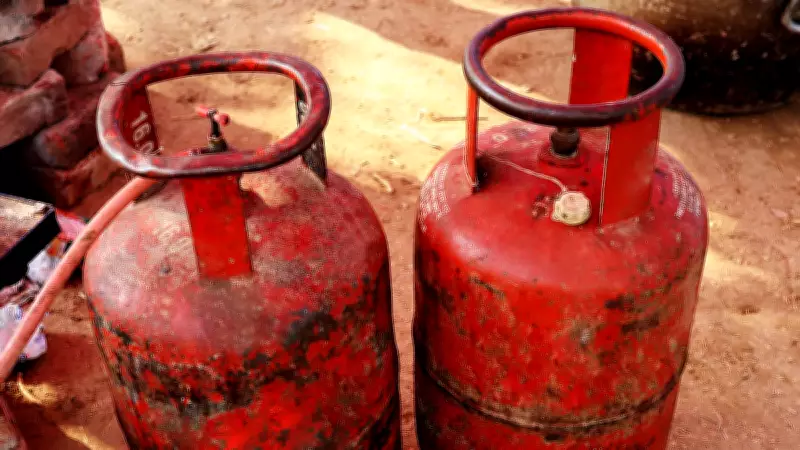
The Government of India has announced a significant adjustment in the price of Liquefied Petroleum Gas (LPG) cylinders, with an increase of Rs 60 per 14.2-kg cylinder. This decision, effective immediately, comes as a response to escalating global energy prices, according to top government sources. The hike reflects the ongoing volatility in international markets, particularly influenced by factors in West Asia and other key regions.
Government Clarifies Minimal Impact on Household Budgets
Despite the substantial nominal increase, government officials have moved quickly to reassure the public about the limited financial burden. They emphasize that the daily impact per person is estimated at just 20 paise, a figure calculated based on average household consumption patterns. This minimal effect is intended to cushion consumers from the broader economic pressures while addressing the need for price adjustments in the energy sector.
Importantly, the government has confirmed that there will be no corresponding hikes in petrol or diesel prices at this time. This decision aims to maintain stability in transportation and other fuel-dependent sectors, preventing a cascading effect on inflation and daily commuting costs.

Break-Even Analysis and Market Context
Even with the Rs 60 increase, the new LPG cylinder price remains below the breakeven point required to cover costs fully. Industry analyses indicate that a rate of approximately Rs 1,050 per cylinder is necessary to achieve cost recovery, suggesting that the current adjustment, while notable, does not fully align with market realities. This gap highlights the government's continued efforts to balance consumer affordability with fiscal sustainability in the face of rising import bills.
The global energy landscape has been marked by significant spikes in prices due to geopolitical tensions, supply chain disruptions, and increased demand. These factors have compelled many nations, including India, to recalibrate domestic pricing structures to mitigate losses and ensure the long-term viability of energy subsidies and distribution networks.
Public Reaction and Future Outlook
As news of the price hike spreads, public reaction is mixed, with some expressing concern over rising living costs, while others acknowledge the government's transparency in linking the increase to global trends. Consumer advocacy groups are monitoring the situation closely, urging for continued support for low-income households through existing subsidy schemes.
Looking ahead, experts predict that further adjustments may be necessary if global energy prices continue their upward trajectory. However, the government's current stance prioritizes minimal disruption, focusing on targeted measures rather than broad-based increases across all fuel types. This approach underscores a strategic effort to manage economic stability while navigating complex international energy dynamics.