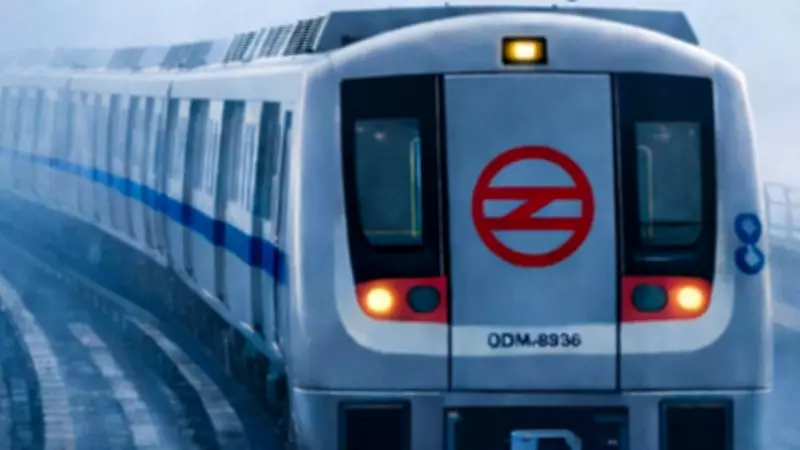
The Delhi Metro Rail Corporation (DMRC) is embarking on a significant expansion that will transform the city's public transportation network. In the coming years, five new triple interchange stations are set to be added to the metro system, enhancing connectivity and convenience for millions of daily commuters.
What Are Triple Interchange Stations?
Triple interchange stations are specialized metro hubs that allow passengers to transfer seamlessly between three different metro corridors at a single location. This innovative design eliminates the need for multiple transfers or lengthy walks between lines, making cross-city journeys faster, smoother, and more efficient. Currently, Kashmere Gate stands as the only operational triple interchange station in the Delhi Metro network, but this is about to change dramatically.
Current and Future Interchange Landscape
At present, the DMRC network boasts 29 interchange stations that facilitate transfers between various lines. With the completion of Phase 4, this number is projected to increase to 43 interchange stations. The subsequent Phase 5(A) will further expand the network, bringing the total to 46 interchange stations. This strategic expansion underscores DMRC's commitment to improving urban mobility and reducing congestion on Delhi's roads.

The Five New Triple Interchange Stations
Here is the comprehensive list of the five new triple interchange stations that will be introduced through the ongoing expansion phases:
- Central Secretariat (Upcoming in Phase 5A)
This station will interconnect the Yellow Line (Samaypur Badli – Millennium City Centre, Gurugram), Violet Line (Kashmere Gate – Raja Nahar Singh, Ballabhgarh), and the Magenta Line (Central Vista Corridor from R.K. Ashram Marg – Indraprastha). - Azadpur (Upcoming in Phase 4)
Azadpur will serve as a hub connecting the Yellow Line (Samaypur Badli – Millennium City Centre, Gurugram), Pink Line (Majlis Park – Maujpur/Shiv Vihar – Majlis Park), and Magenta Line (Janakpuri West – R.K. Ashram Marg). - New Delhi (Upcoming in Phase 4)
This station will integrate the Yellow Line (Samaypur Badli – Millennium City Centre, Gurugram), Airport Express Line (New Delhi – Yashobhoomi Dwarka Sector 25), and the Magenta Line (Inderlok – Indraprastha section). - Lajpat Nagar (Upcoming in Phase 4)
Lajpat Nagar will link the Violet Line (Kashmere Gate – Raja Nahar Singh, Ballabhgarh), Pink Line (Majlis Park – Maujpur/Shiv Vihar – Majlis Park), and Golden Line (Lajpat Nagar – Saket G Block). - Inderlok (Upcoming in Phase 4)
Inderlok will connect the Red Line (Shaheed Sthal (New Bus Adda) – Rithala), Green Line (Inderlok- Brig. Hoshiar Singh), and Magenta Line (Inderlok – Indraprastha Corridor).
Currently Operational Triple Interchange Station
Kashmere Gate remains the only triple interchange station currently in operation. It facilitates transfers between the Yellow Line (Samaypur Badli – Millennium City Centre, Gurugram), Violet Line (Kashmere Gate – Raja Nahar Singh, Ballabhgarh), and Red Line (Shaheed Sthal (New Bus Adda) – Rithala).
Benefits of Triple Interchange Stations
The introduction of these five new triple interchange stations will bring numerous advantages to Delhi's commuters:

- Reduced Travel Time: By enabling direct transfers between three corridors, passengers can avoid detours and minimize waiting periods.
- Enhanced Convenience: Seamless connectivity reduces the physical effort required for transfers, making journeys more comfortable.
- Improved Network Efficiency: These stations optimize route planning and decongest other interchange points.
- Boost to Urban Mobility: As Delhi continues to grow, such infrastructure upgrades are crucial for sustainable transportation.
The DMRC's expansion plan, particularly the addition of these triple interchange stations, represents a forward-thinking approach to urban transit. It aligns with broader goals of reducing traffic congestion, lowering carbon emissions, and providing reliable public transport options for Delhi's residents. As Phase 4 and Phase 5(A) progress, commuters can look forward to a more integrated and efficient metro network that caters to the evolving needs of the National Capital Region.