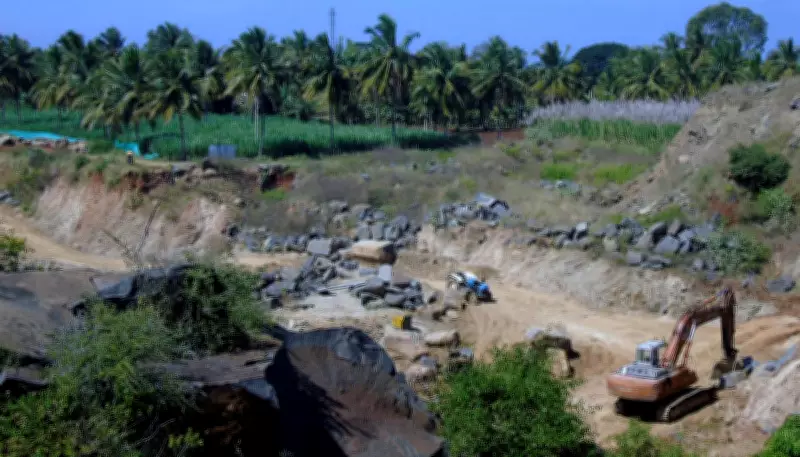
In response to the accelerating global energy transition, India is significantly stepping up its strategic focus on securing critical minerals essential for clean energy technologies. This move comes as advanced economies worldwide are actively promoting standards-based markets for these vital resources, with strong emphasis on sustainability, traceability, and robust governance frameworks throughout the supply chain.
Global Context and India's Strategic Positioning
The worldwide shift toward renewable energy sources and electric mobility has created unprecedented demand for minerals such as lithium, cobalt, nickel, and rare earth elements. These materials form the backbone of batteries, wind turbines, solar panels, and other crucial technologies driving the decarbonization of economies. As nations race to secure reliable supplies, India recognizes the urgent need to develop a comprehensive strategy that addresses both domestic requirements and potential export opportunities in this rapidly evolving sector.
Sustainability and Governance at the Core
India's approach aligns with international trends emphasizing environmentally responsible extraction and processing methods. The focus on sustainability encompasses reducing the ecological footprint of mining operations, implementing water conservation measures, and minimizing waste generation. Simultaneously, traceability initiatives aim to create transparent supply chains that verify the ethical sourcing of minerals, addressing concerns about labor practices and environmental stewardship in extraction regions.

Governance frameworks are being strengthened to ensure that critical mineral development adheres to both national regulations and international standards. This includes establishing clear policies for exploration licenses, production quotas, and value-added processing within India's borders to maximize economic benefits while maintaining environmental safeguards.
Domestic Resources and International Partnerships
While India possesses significant reserves of certain critical minerals, including rare earth elements, the country is also pursuing strategic international partnerships to diversify its supply sources. These collaborations focus on securing access to minerals where domestic resources are limited, such as lithium, while simultaneously developing domestic mining capabilities through technological innovation and investment in exploration activities.
The government's multi-pronged strategy involves:
- Accelerating geological surveys to identify and quantify domestic critical mineral deposits
- Developing processing and refining capabilities to add value within India
- Establishing recycling infrastructure for end-of-life products containing critical minerals
- Creating research and development initiatives focused on material science and alternative technologies
- Implementing skill development programs to build a workforce specialized in critical mineral sectors
Economic and Strategic Implications
India's intensified focus on critical minerals carries significant economic implications, potentially creating new industries, generating employment opportunities, and reducing import dependencies for key materials. Strategically, securing reliable access to these resources enhances energy security and supports the nation's climate commitments under international agreements.
As the global energy transition accelerates, India's proactive approach to critical minerals positions the country to participate meaningfully in emerging green technology value chains while addressing the environmental and social dimensions of resource extraction through comprehensive sustainability frameworks.