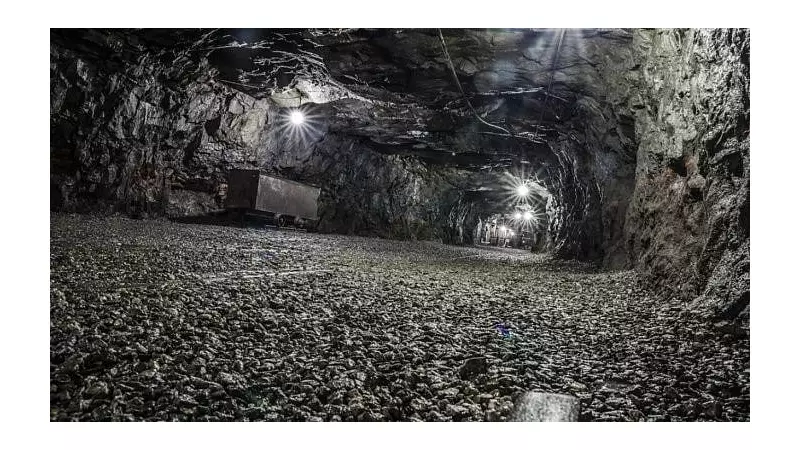
India's Lithium Discovery: A Strategic Opportunity Amid Challenges
The recent identification of lithium deposits in India has generated significant excitement in the mining and technology sectors, positioning the country as a potential player in the global rare earth minerals market. However, this discovery represents only the first step in a complex journey toward economic and industrial utilization. To ensure that this rare earth find does not remain merely an exciting headline, India must urgently address what experts term the 'Exploration-Extraction Gap'—the critical disconnect between discovering mineral resources and successfully bringing them to market.
The Promise of Lithium Deposits
Lithium, often referred to as 'white gold' due to its essential role in battery technology for electric vehicles and renewable energy storage, has become a strategically vital mineral worldwide. India's discovery of these deposits offers several potential benefits:
- Reducing dependence on imports for critical minerals
- Boosting domestic manufacturing in electric vehicles and electronics
- Creating employment opportunities in mining and related industries
- Enhancing India's position in global supply chains for clean energy technologies
The Exploration-Extraction Gap: A Critical Challenge
Despite the promising discovery, India faces substantial hurdles in translating geological findings into operational mines. The exploration-extraction gap encompasses multiple dimensions that require coordinated policy and investment responses:

- Technical Challenges: Advanced extraction technologies and expertise are needed to process lithium efficiently and sustainably.
- Environmental Considerations: Mining operations must balance resource extraction with ecological preservation and community concerns.
- Infrastructure Development: Remote deposit locations often lack the transportation and energy infrastructure necessary for large-scale mining.
- Regulatory Framework: Clear policies and streamlined approvals are essential to attract investment and expedite project implementation.
Strategic Pathways Forward
To bridge this gap effectively, India must adopt a multi-pronged approach that combines technological innovation with policy reforms. Key strategies include:
Developing partnerships with countries possessing advanced mining expertise, investing in research and development for sustainable extraction methods, and creating special economic zones around mining sites to facilitate infrastructure development. Additionally, establishing transparent auction processes for mining rights can attract both domestic and international investors while ensuring fair returns to local communities.
The tale of India's two lithium deposits thus becomes not just a story of geological fortune but a test of the nation's ability to transform potential into prosperity. By addressing the exploration-extraction gap with urgency and strategic vision, India can secure its place in the global rare earth economy while fostering sustainable development at home.