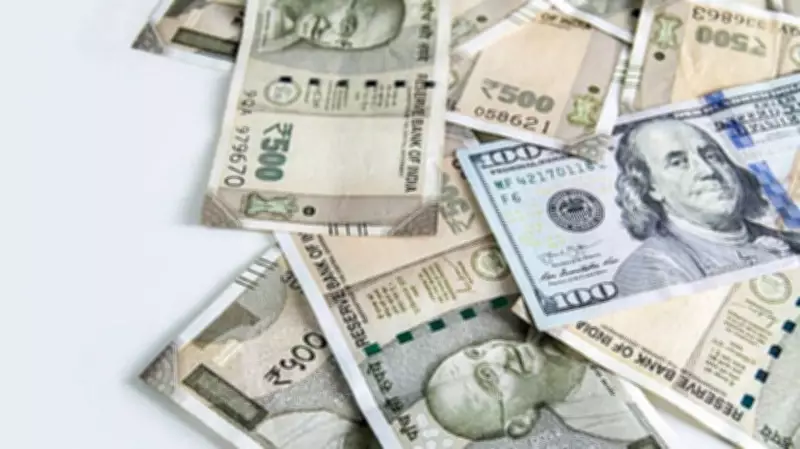
Indian Rupee Declines Against US Dollar in Early Trading Session
The Indian rupee experienced a notable depreciation in early trade on Tuesday, falling by 16 paise to settle at 83.32 against the US dollar. This movement reflects ongoing pressures in the foreign exchange market, driven by a combination of domestic and international factors.
Key Factors Behind the Rupee's Decline
Forex traders have attributed the rupee's weakness primarily to significant foreign fund outflows from the Indian equity markets. Concurrently, the US dollar has demonstrated strength against major global currencies, further exacerbating the downward pressure on the rupee. At the interbank foreign exchange market, the local currency opened at 83.30 against the dollar and subsequently weakened to 83.32, marking a decline of 16 paise from its previous close of 83.16.
Market analysts note that the rupee's performance is closely tied to broader economic indicators and investor sentiment. The resilience of the American currency in international markets has created a challenging environment for emerging market currencies, including the Indian rupee.

Broader Market Context and Implications
The depreciation of the rupee occurs amidst a complex global economic landscape. Factors such as geopolitical tensions, monetary policy decisions by major central banks, and fluctuations in crude oil prices continue to influence currency valuations. For India, a weaker rupee can have mixed implications: while it may boost export competitiveness, it also raises the cost of imports, potentially contributing to inflationary pressures.
Financial experts emphasize the importance of monitoring these trends, as currency movements are a critical barometer of economic health. The Reserve Bank of India (RBI) is likely keeping a close watch on the forex market to ensure stability and prevent excessive volatility.
Outlook and Future Projections
Looking ahead, the trajectory of the rupee will depend on several variables, including:
- Foreign Institutional Investment (FII) flows: Sustained outflows could continue to weigh on the currency.
- US dollar strength: The performance of the dollar in global markets remains a key determinant.
- Domestic economic data: Indicators such as GDP growth, inflation rates, and trade balances will influence investor confidence.
- Global risk sentiment: Broader market trends and geopolitical developments can impact currency markets.
In summary, the rupee's decline to 83.32 against the US dollar highlights the dynamic nature of forex markets and the interconnectedness of global economies. Stakeholders, including policymakers, investors, and businesses, must remain vigilant to navigate these fluctuations effectively.