Indore's Holkar Science College Transforms Campus into Rare Medicinal Plant Conservation Hub
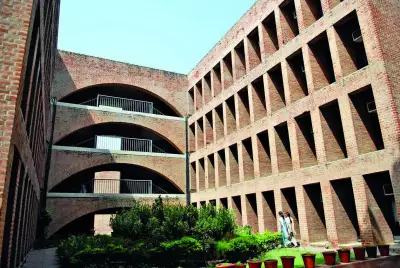
In a groundbreaking environmental initiative, Government Holkar Science College in Indore is revolutionizing its campus into a dedicated center for preserving rare medicinal plants that are rapidly disappearing from Madhya Pradesh's forests. This innovative project offers students unparalleled hands-on experience in conservation while addressing the critical loss of valuable therapeutic species across the state.
Massive Planting Initiative Under Formal Partnership
The college has embarked on an ambitious planting program through a formal Memorandum of Understanding with the Madhya Pradesh Forest Department. Under this collaborative agreement, nearly 5,000 medicinal plant saplings have been strategically planted across the campus grounds. The distribution plan is equally visionary—half of these precious plants will eventually be reintroduced to their natural forest habitats, while the remaining half will beautify Indore's urban landscape along roadsides, residential colonies, and public gardens.
This strategic planting creates what college officials proudly term a "Cure City" corridor—a network of therapeutic greenery that extends the benefits of medicinal plants throughout the urban environment.

Living Laboratory with 22+ Therapeutic Species
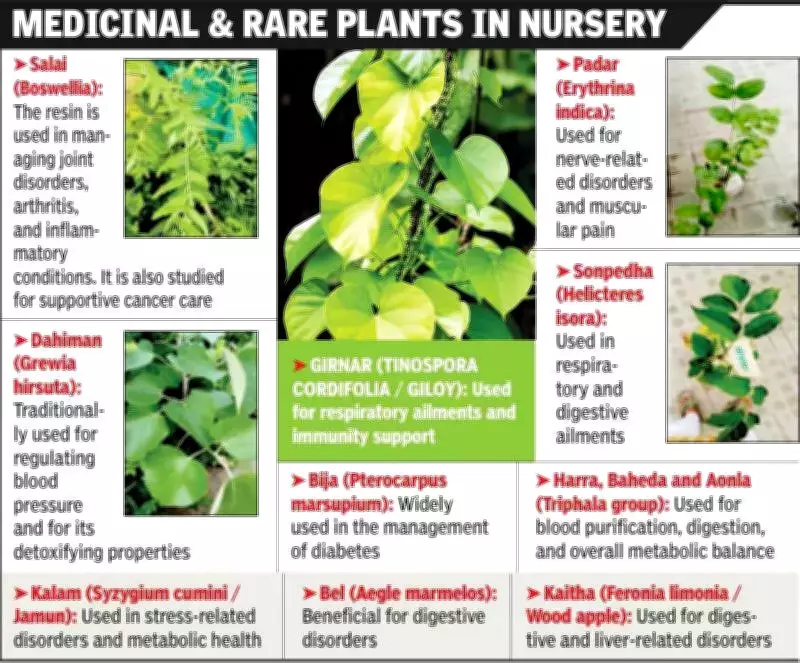
The college's newly established nursery currently hosts an impressive collection of more than 22 rare medicinal species, each carefully selected for its unique therapeutic properties. The diverse collection includes:
- Salai (Boswellia) – valued for managing joint disorders and inflammatory conditions
- Biza (Pterocarpus marsupium) – traditionally used in diabetes management
- Bel (Aegle marmelos) – beneficial for digestive disorders
- Dahiman (Grewia hirsuta) – known for blood pressure regulation and detoxification
- Padar (Erythrina indica) – used for nerve-related disorders and muscular pain
- Kaitha (Feronia limonia) – supports digestive and liver health
- Harra, Baheda, and Aonla (Triphala group) – renowned for blood purification and metabolic balance
- Sonpedha (Helicteres isora) – effective for respiratory and digestive ailments
Each species represents a vital piece of India's medicinal heritage that requires urgent conservation efforts.
Educational Transformation: Creating "Plant Doctors"
The initiative masterfully blends conservation with practical education, transforming horticulture students into what professors call "plant doctors." Students are actively learning advanced techniques including grafting, breeding, and survival strategies for endangered species.
Prof Dr Sanjay Vyas, Head of the Horticulture Department, explains the educational impact: "Our students monitor sapling growth daily, experiment with various propagation methods, and maintain plant health through hands-on care. This practical experience extends far beyond classroom theory, giving them real-world conservation skills."
Strengthening the Learning Model Through Partnerships
To enhance this innovative educational approach, the college's MoU with the forest department includes comprehensive training components. Students will receive regular instruction sessions from experienced forest officials and gain valuable internship opportunities within the department itself. This creates a powerful bridge between academic knowledge and field expertise, preparing students for careers in environmental conservation and horticultural sciences.
College Principal Dr Anamika Jain emphasizes the project's dual benefits: "Our nursery serves as a living laboratory where students actively contribute to environmental restoration while developing essential skills in horticulture, ecology, and plant conservation. They're not just learning—they're making tangible contributions to preserving our natural heritage."

Vision for a "Cure City" with Multiple Benefits
The project envisions transforming Indore into a genuine "Cure City" where medicinal plants extend their benefits throughout the urban environment. By strategically planting these therapeutic species along streets, in parks, and within residential areas, the initiative aims to achieve multiple objectives:
- Improving urban air quality through increased greenery
- Enhancing the city's aesthetic appeal and biodiversity
- Providing residents with accessible therapeutic plants for traditional remedies
- Creating educational opportunities for the broader community
- Establishing a model for urban conservation that other cities can replicate
This comprehensive approach demonstrates how educational institutions can lead meaningful environmental change while preparing the next generation of conservation experts. The Holkar Science College initiative represents a significant step toward preserving India's rich medicinal plant heritage while creating sustainable urban ecosystems that benefit both people and the environment.