Supreme Court Mandates Swift Disbursal of Scholarship Funds Nationwide
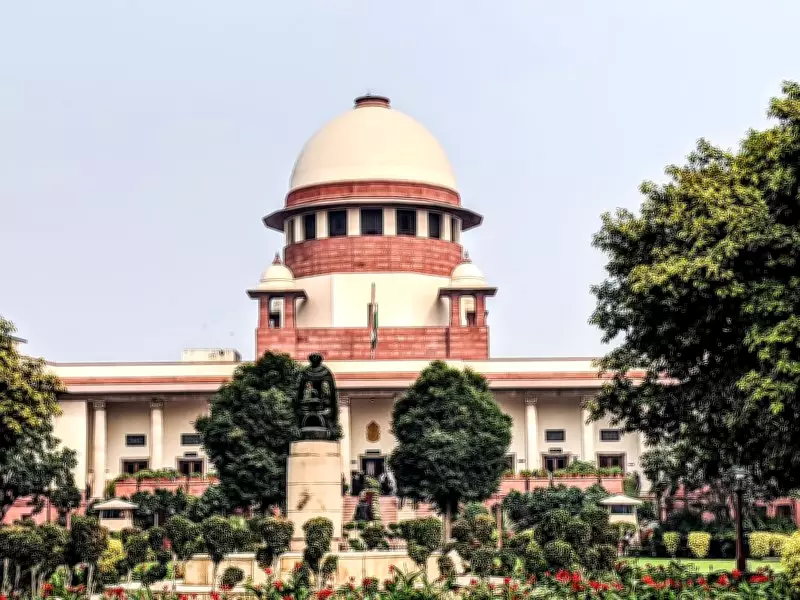
The Supreme Court of India has issued a critical directive to all states and union territories, ordering the immediate clearance of pending scholarship dues. This intervention comes in response to alarming reports linking delayed financial aid to severe mental health distress among students in higher education institutions. The court's action is based on recommendations from a National Task Force established to address mental health crises and prevent suicides on campuses across the country.
Punjab's Massive Pending Dues: A Rs 930 Crore Burden
In a stark example of the nationwide issue, the state of Punjab is grappling with unpaid scholarship amounts totaling nearly Rs 930 crore under the Post Matric Scholarship Scheme for Scheduled Caste students. These outstanding payments cover the academic years from 2017 to 2020, a period during which approximately 5.5 lakh students were enrolled under the scheme. The non-disbursement has created significant financial and educational hurdles for both students and institutions.
Understanding the Post Matric Scholarship Scheme
The Post Matric Scholarship Scheme provides essential financial assistance for Scheduled Caste students pursuing education from Class 11 up to the postgraduate level in recognized institutions. The scholarship amount varies significantly, ranging from Rs 20,000 to Rs 80,000 per annum, depending on the specific course of study.

Funds are transferred directly into the Aadhaar-linked bank accounts of beneficiaries. The scholarship covers several key components:
- A non-refundable fee, including examination charges, paid directly to the educational institution.
- An academic maintenance allowance: Rs 4,000 to Rs 13,500 per annum for hostellers, and Rs 2,500 to Rs 7,000 for day scholars, varying by course.
- Additional disability allowances for eligible students.
The Funding Gap: 2017-2020 Crisis
Until the 2016-17 academic year, the scholarship scheme was entirely funded by the Central Government. However, the scheme's term concluded in 2017 as part of the 12th Five Year Plan, and the Centre did not provide funding until its renewal in 2021. Despite this hiatus, the then Congress-led state government in Punjab continued to accept student applications, creating a substantial financial liability.
The cumulative pending amount for the years 2017-18, 2018-19, and 2019-20 reaches approximately Rs 1,550 crore. The absence of funds during this period meant that institutions were not compensated, leading to a dramatic decline in SC student enrollment. Enrollment numbers plummeted to an all-time low of 1.75 lakh students in 2020, highlighting the scheme's critical role in educational access.
From 2020-21 onwards, the funding structure was revised to a 60:40 Centre-state contribution ratio (90:10 for Northeastern states). Since this change, the scheme has operated smoothly, with Punjab witnessing a 35% increase in enrollment for the 2025-26 academic year.
Controversies and Legal Battles
The scholarship scheme in Punjab has been marred by controversy, particularly during the tenure of the Capt Amarinder Singh-led Congress government. A departmental inquiry uncovered instances of fund misuse, including undue benefits to private institutions. In 2019, discrepancies amounting to Rs 55 crore were identified, with Rs 16 crore in excess payments directed to certain colleges.
The issue of non-disbursal from 2017-2020 is currently under adjudication in the Punjab and Haryana High Court. Both the state and central governments have engaged in a blame game, each urging the other to clear the outstanding dues. Last year, the court reprimanded the Punjab government for "trying to evade its responsibility" in disbursing the scholarships.

In a recent development, Chief Minister Bhagwant Mann presided over an event in Jalandhar for the distribution of post-matric scholarships worth Rs 271 crore to more than 2.7 lakh SC students. This event coincided with a visit by the Prime Minister to Dera Ballan head Niranjan Dass, underscoring the political significance of wooing the Dalit vote bank in the region.
Future Plans and Ongoing Concerns
The Central Government is considering a proposal to raise the annual family income limit for availing the SC scholarship scheme from Rs 2.5 lakh to Rs 4.5 lakh. This potential increase follows a previous enhancement on April 1, 2013, when the limit was raised from Rs 2 lakh to Rs 2.5 lakh per annum.
Manjeet Singh, patron of the Joint Action Committee of Unaided Colleges in Punjab, emphasizes the severe consequences of delayed scholarship disbursements. He states, "The delay in releasing the scholarship amount not only jeopardizes the future of SC students but also financially drains the institutions. There are more dropouts. At times, institutions are reluctant to admit SC students as the reimbursement of the fee is delayed."
The Supreme Court's directive serves as a crucial reminder of the government's obligation to ensure timely financial support for marginalized students, safeguarding both their educational prospects and mental well-being.