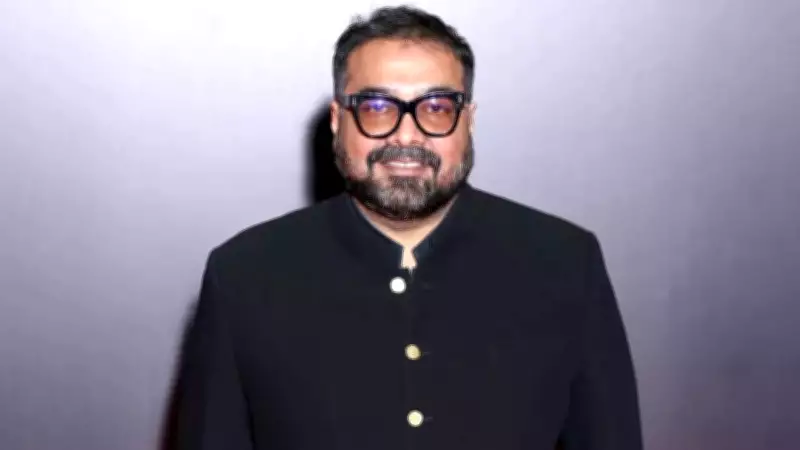
Anurag Kashyap Opens Up About Health Crisis Following Netflix Series Cancellation
Renowned filmmaker Anurag Kashyap, celebrated for works like Gangs of Wasseypur, has publicly shared one of the most challenging phases of his career. This period was triggered by the abrupt cancellation of his highly anticipated streaming series, Maximum City, an adaptation of Suketu Mehta's acclaimed book Maximum City: Bombay Lost and Found. Kashyap revealed that the emotional fallout from this decision led to severe health issues, including a heart attack and a subsequent stint in rehabilitation.
The Project That Never Was: Maximum City's Demise
Kashyap had been diligently developing Maximum City as a large-scale production for Netflix. The platform initially greenlit the project, giving him the confidence to invest significant time and creative energy. However, in a recent interview with Mid-day, Kashyap disclosed that Netflix executives later decided against proceeding with the series, a move that left him deeply shaken. He explained that he was not informed promptly, leading him to continue writing for an extended period under false pretenses.
"During the lockdown, I was writing Maximum City. They had already decided after reading part one that this cannot be made; it would be very difficult. But nobody had the courage to come and tell me. I kept writing and spent so much time on it," Kashyap recounted. "My team knew, they had been informed, but they didn't tell me. So imagine giving two years to something and getting emotionally attached to it. I had a massive implosion."

Betrayal and Health Consequences
The filmmaker further elaborated that the approval process was flawed from the start. He claimed that Netflix executives who greenlit the project had not actually read the source book, despite assuring him otherwise. "I started working on Maximum City only after it was greenlit. My first question to everybody at Netflix was: have you read the book? They all said yes. Nobody had read the book. It started with a lie," he stated.
This betrayal, coupled with the project's cancellation, took a severe toll on Kashyap's health. He detailed a cascade of medical problems: "The first thing I got was a heart attack. I got a stent and was put on blood thinners. I couldn't deal with it, and I reacted badly to vaccines, I developed severe asthma. I was put on steroids, and steroids keep you awake and restless, so I started drinking. It was a combination of many things." His daughter, witnessing his distress, urged him to seek help, leading to his admission into a rehabilitation facility.
Rehabilitation and Further Struggles
Even during rehab, Kashyap faced additional hardships. He suffered a serious ligament tear in his right leg, which went undiagnosed initially, exacerbating his pain. "In rehab, I got a ligament tear in my right leg, which got worse because neither I nor the rehab staff realised it in time. It kept getting worse and I was in so much pain," he said. Due to his blood thinners, surgery was not an option, leaving him bedridden and grappling with multiple health issues simultaneously.
Moving Forward and Industry Reflections
Despite these traumatic experiences, Kashyap expressed that he has now found peace and forgiveness. "I am very happy now. I have in my mind forgiven everyone. To each his own, everyone has consequences. I am very happy since I left Mumbai," he shared, noting his current residence in Bengaluru. He also reflected on the evolving streaming landscape in India, criticizing the shift from quality storytelling to a focus on subscriber numbers.
"Somebody very senior from Silicon Valley said that India is just a dumping ground. What he meant was that all they want is more subscribers. They only want subscribers, they want to maximise them. They don't want quality," Kashyap remarked. He recalled being told directly by platform executives: "we want subscribers, we don't want you to be complex and intelligent." This highlights a broader trend in the industry, where experimental narratives are often sidelined for mass appeal.

Anurag Kashyap's candid revelations shed light on the personal costs of creative disappointments in the entertainment world, while also prompting discussions about the priorities of global streaming platforms in competitive markets like India.