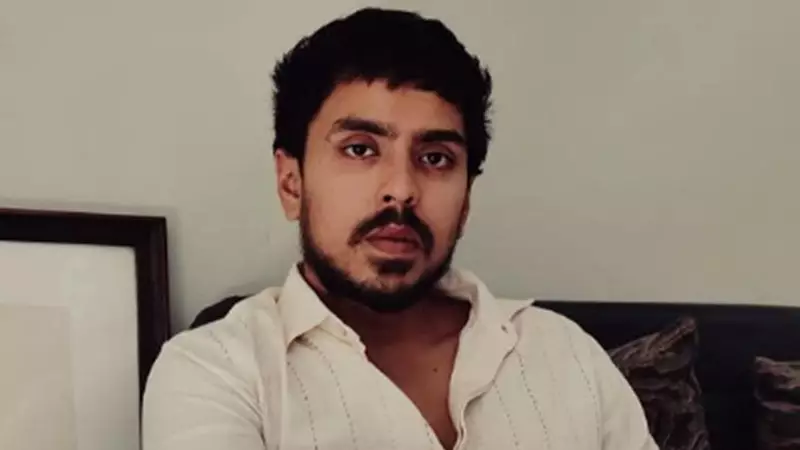
Bollywood actor Adarsh Gourav has shared a surprising and candid confession about his extreme childhood eating habits, revealing the creative and drastic measures he took to avoid consuming home-cooked food prepared by his mother. His story offers a window into the complex psychological relationship children can develop with food and authority.
The Chapati Chronicles: Adarsh Gourav's Creative Food Disposal
In a recent appearance on the Untriggered podcast, the Kho Gaye Hum Kahan actor described a deep-seated dislike for meals made at home. "I didn't like eating food, specifically food cooked at home by my mom," Gourav stated. His solution was not simply to refuse, but to secretly dispose of the food in elaborate hiding spots to avoid punishment.
He admitted to flushing food down the toilet, tossing chapatis onto ceiling fans during winter, and stashing them behind warm clothes in cupboards—places he knew would not be checked for months. When podcast hosts suggested he could have just not eaten, Gourav humorously highlighted the fear of parental retribution: "No, that wasn't an option. I'll get whacked. If my mom were to come back, see the food is in the casserole… khatam (you're finished)."

Addressing the obvious question of smell, the actor quipped with a now-viral line, "Roti se baas nahi aata hai, sabzi se baas aata hai" (It's not the roti that smells, it's the curry that gives off the aroma).
Psychology Behind the Plate: More Than Just Picky Eating
Gurleen Baruah, an existential psychotherapist at That Culture Thing, explains that such behavior often signals a deeper internal conflict. "When a child repeatedly hides or discards food instead of eating — especially when saying 'no' isn't allowed — it can reflect more than dislike for a meal," she tells indianexpress.com.
According to Baruah, this act can represent a struggle between the child's authentic needs and the desire for parental approval. The child learns to perform compliance while secretly rebelling against what is being imposed. "Over time, this can create a pattern where the child disconnects from their authentic self to be accepted," she warns. This pattern, if repeated, can extend beyond the dining table into adulthood, manifesting as people-pleasing tendencies, emotional suppression, or a fear of honesty.
Parenting with Empathy: Balancing Discipline and Understanding
So, how should parents respond when a child consistently refuses home-cooked food? Baruah stresses the importance of curiosity over punishment or guilt. Refusing food can sometimes be a child's primary way of asserting independence or expressing unspoken discomfort.
"Balancing discipline with empathy means setting gentle routines around meals while also giving the child some agency," Baruah advises. This could involve letting the child choose ingredients or participate in simple food preparation tasks. She cautions against labeling children as 'fussy' or 'disobedient,' urging parents to see the behavior as a signal, not defiance.
From Childhood to Adulthood: The Lasting Impact of Food Aversion
The implications of these early behaviors can stretch far into adult life. Baruah confirms that early food aversion can carry into adulthood, often presenting as rigid eating patterns, guilt associated with meals, or a disconnection from the body's natural hunger and fullness cues.
"When food was tied to control, shame, or pressure during childhood, it can lead to a pattern where eating feels more like a task or a coping mechanism than a source of nourishment," she explains. Rebuilding a healthy relationship with food requires conscious effort—slowing down, tuning into bodily signals, and sometimes professional help. Therapy or guidance from a nutritionist can help individuals unpack early messages around food and establish new, non-judgmental habits.
Adarsh Gourav's lighthearted recollection opens up a serious conversation about childhood autonomy, communication, and the long shadow our earliest experiences with food can cast. It serves as a reminder that mealtime battles are often about more than what's on the plate.