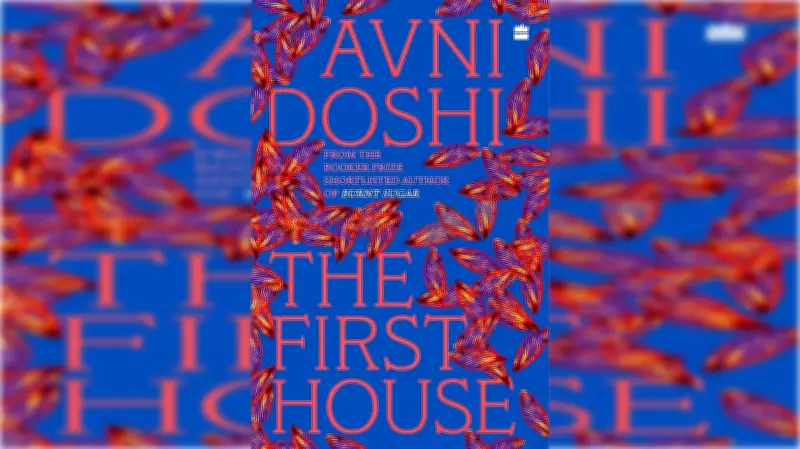
Avni Doshi's second novel, The First House, offers readers another intimate look through the slightly fogged-up window of a family home. Following the critical success of her debut Burnt Sugar, Doshi continues to explore the complexities of family dynamics, memory, and self-deception. The metaphor of wearing blinders in front of a mirror captures the essence of the novel: characters who deliberately avoid seeing themselves clearly even as they are confronted with their own reflections.
The Blinders of Family Life
The story revolves around the intricate relationships within a family, where each member navigates their own version of reality. Doshi's narrative peels back layers of resentment, love, and obligation, revealing how families often choose to ignore uncomfortable truths. The blinders represent the willful ignorance that allows the family to function, but also the fractures that lie beneath the surface. The mirror symbolizes self-reflection, yet the characters avoid truly seeing themselves or each other. This tension drives the plot, creating a suspenseful atmosphere where secrets simmer just below the surface.
Comparing First and Second Novels
In Burnt Sugar, Doshi examined the corrosive relationship between a mother and daughter in contemporary India. The First House expands on these themes but shifts focus to a broader family unit. While both novels deal with emotional intensity and the unreliability of memory, the second book delves deeper into the idea of home as both a physical and psychological space. The fogged window suggests that even when we try to look in, our view is obstructed by our own biases. Doshi's prose remains sharp and evocative, drawing readers into the characters' internal worlds.

Narrative Style and Impact
The novel is narrated with a quiet intensity, employing a close third-person perspective that shifts among family members. This technique allows readers to see how each character's blinders differ, creating a kaleidoscopic view of the same events. Doshi's writing is lyrical yet precise, capturing the small moments that define family life. The pacing is deliberate, building tension as the characters confront their own self-deceptions. The result is a novel that feels both intimate and universal. According to the review by Sheila Kumar, the book is "another look through the slightly fogged-up window of a family home," emphasizing the enduring power of Doshi's exploration of domestic spaces.
Conclusion: A Mirror Worth Looking Into
The First House solidifies Avni Doshi's reputation as a keen observer of family psychology. By asking readers to consider what it means to wear blinders in front of a mirror, she challenges us to examine our own self-deceptions. The novel is a testament to the complexity of human relationships, where love and dysfunction coexist. For those who appreciated Burnt Sugar, this new work offers a deeper, more layered examination of the ties that bind us. Doshi's ability to craft a story that is both specific and relatable makes The First House a compelling addition to contemporary literature.