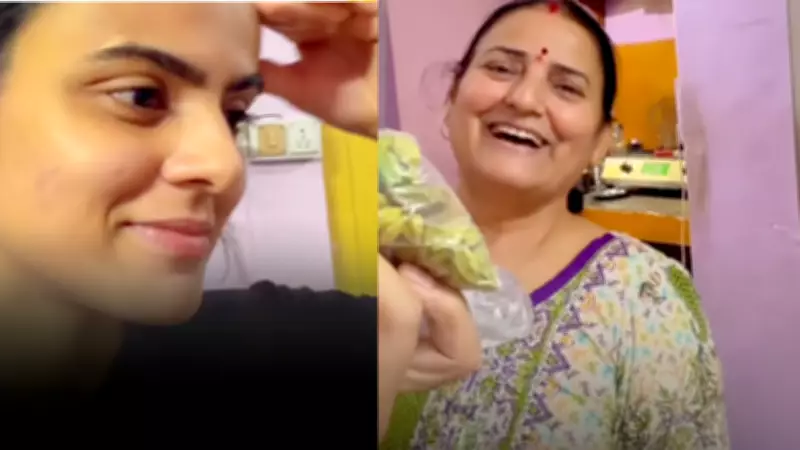
A short video making the rounds on social media has struck a nerve for a reason that feels both unexpectedly simple and deeply human. In the clip, a girl explains why her mother never says the word 'elaichi,' and the answer has left many viewers emotional.
The Backstory Behind the Word
At first, it sounds like a small domestic detail, almost the kind of thing people would laugh off. But the reason behind it carries the weight of a memory so personal that even an ordinary word has become impossible to say. According to the girl, her mother avoids the word because her mother-in-law was named Elaichi Devi. What might seem like a harmless family quirk is actually tied to a difficult emotional past. For her, saying the word is not just about cardamom. It is about a name, a relationship, and the feelings attached to both.
Why the Video Resonates
That is what makes the video so affecting. It shows how language is never always neutral. Sometimes a word is not just a word. It can be a reminder, a trigger, a doorway back into a chapter someone would rather not reopen. In this case, something as everyday as asking for cardamom has been folded into a much larger story of memory and emotion. Viewers related to the moment almost instantly. Many said the clip felt heartbreakingly familiar, because most people carry at least a few words, smells, songs, or places that bring back a flood of feeling. A name once spoken casually can later become loaded with grief, discomfort, or unresolved history. The mind remembers what the mouth tries to avoid. One user summed it up quietly: 'the last generation of innocent mothers.'

What is touching about this story is not just the reason itself, but the tenderness it reveals. There is something quietly poignant about a person reshaping daily speech around an old wound, even decades later. It suggests how deeply certain experiences stay with us, long after the moment has passed.
Universal Lessons
The clip has resonated because it turns a small household detail into something larger and more universal. It reminds people that behind strange habits or odd silences, there is often a private story. And sometimes, the most ordinary word in the language can carry the heaviest emotional baggage. In the end, the video is less about elaichi and more about memory, love, and the invisible ways the past lives on in the present. That may be why so many online found it hard to scroll past.
About the Author: The TOI Lifestyle Desk is a dynamic team of dedicated journalists who, with unwavering passion and commitment, sift through the pulse of the nation to curate a vibrant tapestry of lifestyle news for The Times of India readers. At the TOI Lifestyle Desk, we go beyond the obvious, delving into the extraordinary. Consider us your lifestyle companion, providing a daily dose of inspiration and information.