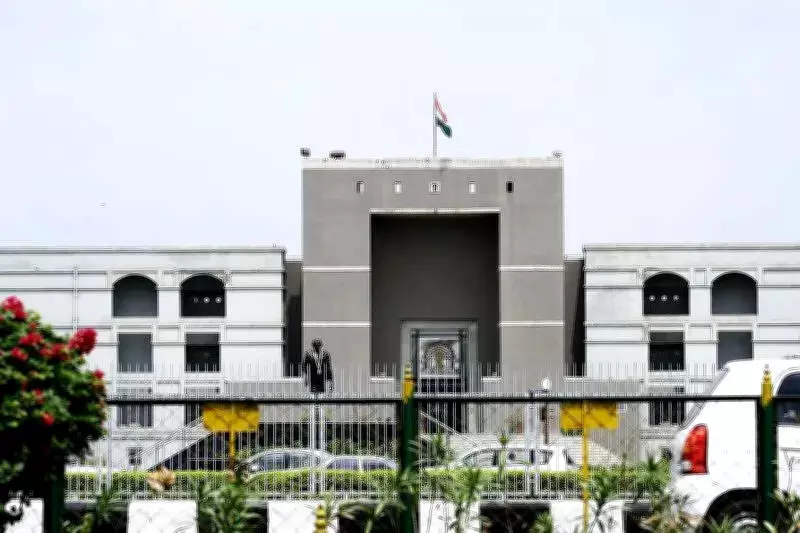
Ayurvedic Practitioners in Gujarat File High Court Petition for Allopathic Prescription Authority
In a significant legal development, practicing ayurvedic doctors across Gujarat have approached the Gujarat High Court, seeking judicial intervention to permit them to prescribe allopathic medicines. This move comes after years of denial by regulatory bodies at both state and central levels, sparking a debate over integrated medical practices.
Background of the Petition and Legal Arguments
The petition has been formally submitted by the All Gujarat Ayurved Medical Association, representing numerous practitioners in the state. The association argues that these doctors have undergone formal education in allopathy as part of their integrated training programs, equipping them with the necessary knowledge to prescribe such medications safely and effectively.
Central to their case is a 2018 Supreme Court order that provided protection to medical practitioners trained in integrated systems of medicine. This order specifically covered individuals who had earned recognized degrees and diplomas from institutions that incorporate both ayurvedic and allopathic components in their curricula. Despite this judicial backing, government authorities have initiated actions against these practitioners, leading to the current legal challenge.

Court Proceedings and Related Cases
Justice H M Prachchhak of the Gujarat High Court has admitted the petition and called for responses from key authorities, including the state government, the Gujarat Board of Ayurved and Unani System of Medicine, Gujarat Ayurved University, and the National Commission of Indian System of Medicine. In a notable decision, the court has opted to hear this petition alongside a related case that has been pending for nearly two decades.
The earlier petition, filed in 2006 by the Association of Indian System of Medicines, contested a state government circular that restricted the practice of allopathy exclusively to MBBS-qualified doctors in Gujarat. This long-standing dispute underscores the complexity of integrating traditional and modern medical systems within regulatory frameworks.
Opposition and Legal Developments
Following the admission of the new petition, the Gujarat Medical Council has intervened to oppose the plea, highlighting tensions between different medical communities. During a recent hearing on Wednesday, Justice Prachchhak directed all involved parties to submit their replies within a strict one-week timeframe and scheduled the matter for further proceedings.
According to legal representatives involved in the litigation, the Supreme Court had previously granted interim relief by staying coercive actions against practitioners with integrated training. This interim measure has provided temporary protection, but the high court's upcoming hearings will be crucial in determining the long-term outcome of this issue.
Implications for Medical Practice in Gujarat
This case raises important questions about the scope of medical practice and the recognition of interdisciplinary training in healthcare. If successful, the petition could pave the way for ayurvedic doctors with allopathic education to expand their services, potentially improving access to medical care in various communities. However, it also faces significant opposition from established medical bodies concerned about maintaining standards and patient safety.
The outcome of this legal battle will likely influence not only Gujarat but also other states grappling with similar regulatory challenges in integrating diverse medical systems. Stakeholders across the healthcare sector are closely monitoring the proceedings, as the decision could set a precedent for future policies on medical practice and education in India.