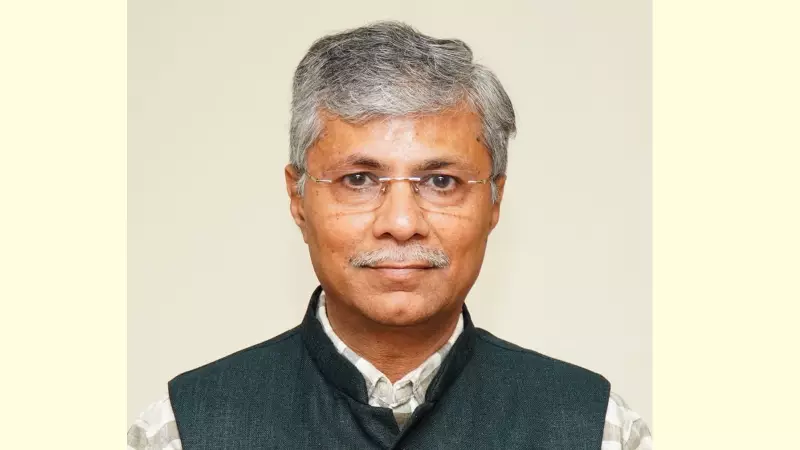
Ahead of a major global gathering, a top Indian official has underscored the accelerating worldwide shift towards integrating traditional medicine with modern healthcare systems. Rajesh Kotecha, Secretary of the Ministry of AYUSH, stated that factors like the rising burden of non-communicable diseases, soaring healthcare costs, and antimicrobial resistance are driving this change.
Global Footprint and Integration Benefits
Kotecha revealed that a vast majority of World Health Organization (WHO) member states now report using traditional medicine. Approximately 170 out of 194 countries acknowledge its practice and have taken steps to integrate it into their national health approaches. This widespread acceptance highlights its deep cultural roots and practical utility across diverse regions.
He explained that this integration is making healthcare more accessible, especially in remote and underserved areas. "Better integration with modern medicine has made health systems more people-centred, stronger and more sustainable," Kotecha said. The focus on prevention, wellness, and community-based care is a significant advantage. Global efforts led by the WHO are also building trust by expanding scientific research, setting quality standards, and creating digital knowledge platforms.

Roadmap for the Future: The WHO Summit
The Second WHO Global Summit on Traditional Medicine is scheduled for December 17-18, 2025. The event is expected to see participation from over 100 countries, including health ministers, policymakers, scientists, and practitioners.
The summit's roadmap prioritizes three key areas:
- Mainstreaming traditional medicine into national health systems where it is appropriate and safe.
- Strengthening global research, data generation, and using digital tools like AI to document traditional knowledge.
- Ensuring the quality, safety, and proper regulation of traditional medicine products to build global trust.
Kotecha also highlighted the role of the WHO Global Traditional Medicine Centre in Jamnagar, Gujarat, which has been fostering knowledge exchange and international collaborations since its launch.
Ashwagandha: A Poster Child for Evidence-Based Ayurveda
Kotecha pointed to Ashwagandha (Withania somnifera) as a prime example of the growing global acceptance of evidence-based Ayurveda. He called it one of the most researched Ayurvedic plants, with mounting clinical evidence supporting its role in managing stress, improving sleep, and boosting immunity.
To support its safe global integration, the Ministry of AYUSH has undertaken specific initiatives:
- Preparing and updating an Evidence-Based Ashwagandha Safety Dossier in 2023 and 2024, compiling international research.
- Organizing a dedicated side event on Ashwagandha during the upcoming WHO summit to discuss science, safety, and market integration.
- Promoting initiatives like Ayurveda Ahara to bridge dietary principles with functional foods.
India's global outreach for AYUSH systems is expanding, with 25 country-level MoUs, 52 institute-level agreements, and 43 Ayush Information Cells across 39 countries.
Challenges and the Path to Self-Reliance
Despite the progress, Kotecha acknowledged challenges in building a robust AYUSH ecosystem. These include the need for more high-quality clinical research, harmonized global standards, skilled human resources, and sustainable supply chains for medicinal plants. Ensuring quality and safety in a rapidly growing market remains a top priority.
The Ministry is addressing these by strengthening research institutions, promoting digital documentation, supporting medicinal plant cultivation, and advocating for quality products. These efforts align with the WHO’s Global Traditional Medicine Strategy for 2025–2034, aiming to position Ayurveda and other Indian systems as credible, evidence-informed components of holistic global healthcare.