Rajkot Zoo Deploys Comprehensive Summer Protection Strategy for Wildlife
The Rajkot Municipal Corporation (RMC) has significantly intensified its protective protocols at Pradyuman Park Zoo to safeguard the resident animal population from the escalating summer temperatures. These proactive measures are designed to ensure optimal health and minimize stress for all creatures as the mercury rises in the coming weeks.
Managing a Diverse Animal Collection Through Seasonal Transition
Operating under the strict supervision of the Central Zoo Authority of India, Pradyuman Park Zoo stands as a premier attraction in the Saurashtra region. It is home to an impressive collection of 595 animals and birds, representing 69 distinct species. Zoo officials emphasize that the shift from the cooler, rainy season to the intense heat of summer presents a critical challenge, demanding meticulous preparation to prevent dangerous heat stress among the vulnerable wildlife.
Specialized Cooling Solutions for Large Mammals
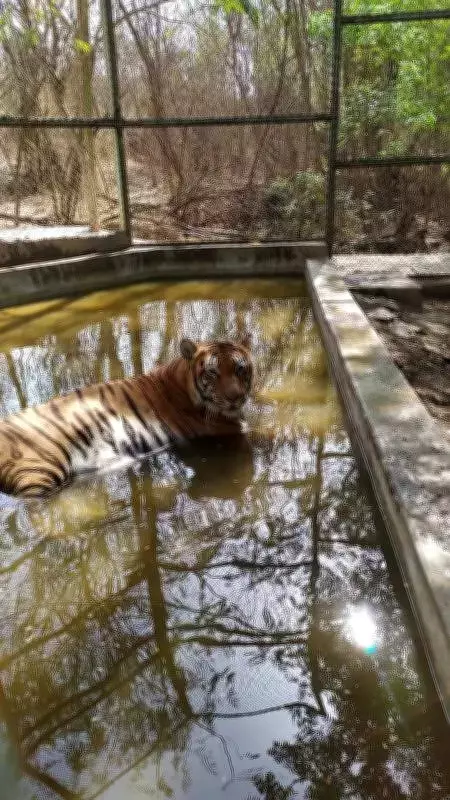
For the zoo's larger inhabitants, including lions, tigers, leopards, and bears, enclosures have been upgraded with dedicated water ponds. These ponds serve as essential cooling stations during the hottest afternoon periods. Advanced fogger systems have been installed to actively lower ambient air temperatures around these habitats. Additionally, sturdy wooden shelters provide ample shade. To ensure comfort continues after dark, night shelters are now equipped with operational fans and cooling devices. In a unique dietary adjustment, bears are receiving specially prepared fruit-based frozen treats to help maintain hydration and internal temperature regulation.

Targeted Care for Smaller Creatures and Primates
The zoo's smaller mammals, such as foxes, jackals, and civets, benefit from specially engineered shaded caves constructed within their enclosures. These retreats, combined with strategically placed foggers and fans, offer a vital refuge from direct solar exposure. The primate population, including various monkey species, is provided with increased fruit treats and guaranteed access to well-shaded areas to facilitate natural cooling behaviors.
Adaptations for Avian and Herbivore Residents
Birds and deer are receiving equally focused attention. Aviaries and bird enclosures now feature shelters made from dry grass and are supplemented with fine misting systems to create a cooler microclimate. For deer, the introduction of mud ponds allows them to wallow and cool off, effectively replicating the natural conditions they would seek in the wild.
Health-Focused Hydration and Dietary Adjustments
To proactively combat dehydration—a major summer risk—zoo authorities have begun supplementing the animals' drinking water with Oral Rehydration Solution (ORS). Officials have also documented predictable seasonal shifts in feeding patterns: carnivorous animals typically reduce their food intake by approximately 10% during hotter months, while reptiles, including snakes and crocodiles, often exhibit an increased appetite.
The overarching goal of these multifaceted initiatives is to simulate natural environmental conditions as closely as possible within the zoo setting. This approach is crucial for helping the diverse animal collection transition smoothly from the recent rainy weather to the impending peak summer heat. A spokesperson for the RMC stated, "With these comprehensive arrangements in place, our objective is to ensure every animal remains in robust health and experiences minimal stress throughout the entire summer season."