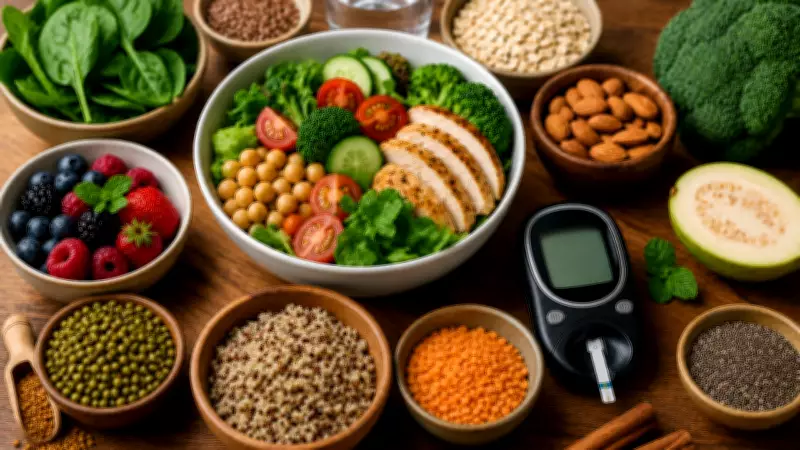
Blood sugar spikes are alarmingly common in India. Nutrition experts say the answer may lie with what is quietly sitting on your plate. India is sometimes called the diabetes capital of the world. But doctors say the bigger concern now is how early blood sugar problems are starting. Sedentary lifestyles, processed foods, stress, poor sleep and too many refined carbohydrates are pushing even younger adults into insulin resistance.
The good news is that you do not have to go to extremes to control blood sugar. It starts with better food choices. Charu Dua, Nutritionist at Amrita Hospital, Faridabad, says, "Foods low on the glycemic index can help the body to release glucose slowly and reduce sugar spikes after meals." She adds, "Low-glycemic foods are often high in fibre, protein or complex carbs. They digest slowly and help keep people full longer. This could help with blood sugar control and metabolic health over time."
Eight Recommended Low-Glycemic Foods
Oats
Oats are frequently the first answer. They are a good source of a soluble fibre called beta-glucan, which slows digestion and may help to maintain stable blood sugar levels after eating. Nutritionists recommend plain rolled oats, not the sugary instant kinds.

Lentils
Lentils deserve way more attention than they typically get. Be it masoor, moong, chana or arhar dal, lentils are full of plant protein and fibre. They digest slowly and provide steady energy without the big glucose swings.
Chickpeas
Chickpeas are another unsung hero. They are filling and blood sugar friendly due to their protein, resistant starch and fibre content. Roasted chana is usually considered a smarter snack than packaged namkeen.
Sattu
Sattu, a traditional Indian food made primarily from roasted gram, is also attracting the attention of nutritionists. Sattu is rich in protein and fibre, which can help to slow down sugar absorption and prevent sudden spikes in glucose when consumed without added sugar. Many experts say plain sattu drinks are a better summer option than sugary packaged drinks.
Curd
Charu Dua suggests adding curd to the daily diet. "Unsweetened curd provides protein and probiotics, which may promote gut health and improve overall metabolic balance. Pairing curd with meals can also help slow down the absorption of carbohydrates," she says.
Vegetables
Vegetables like broccoli, spinach and bottle gourd are naturally low in calories and carbohydrates but high in fibre. They boost the volume of meals without spiking glucose levels.
Nuts
Nuts, especially almonds and walnuts, can help too. Some studies have associated a small handful before meals with better satiety and slower sugar absorption.
Apples
Then there is the humble apple. Whole fruits with fibre, not fruit juices or sugary smoothies, release sugar slowly. People who monitor their glucose levels generally favour apples and pears over servings of high-sugar tropical fruit.
Expert Caution
But experts caution against viewing single foods as "magic solutions." Nothing can make up for a lack of sleep, exercise, smoking, stress or too much processed food. Portion control still counts. Ditto for consistency.
Nutritionists say the real goal is not starvation. It is stability. A more stable sugar curve. Fewer crashes. Less hunger. And a healthier relationship with food that is longer lasting than a fad diet. And food choices that the body can deal with more gently.