Bihar Government Introduces Revolutionary FCM Therapy to Tackle Anaemia Crisis
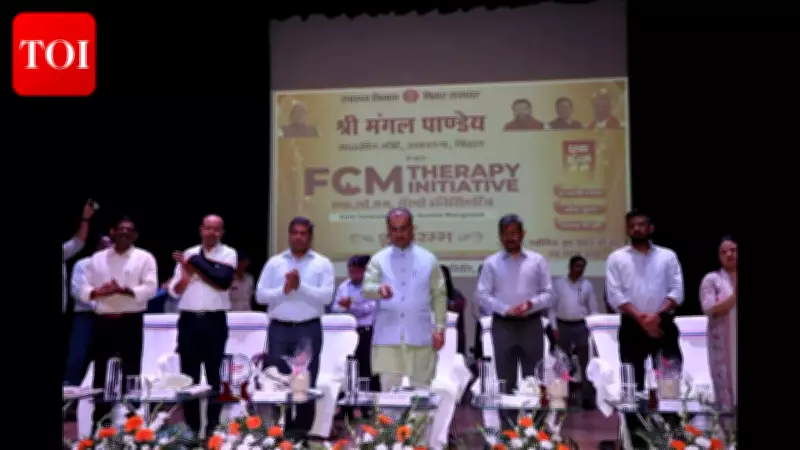
In a significant move to address the persistent issue of anaemia, particularly among women, Bihar's State Health Minister Mangal Pandey officially launched ferric carboxymaltose (FCM) therapy on Thursday. This groundbreaking initiative marks the first time the state government has introduced such advanced treatment, moving beyond traditional oral tablets and other injection methods previously administered.
Launch Event and Immediate Implementation
The launch ceremony took place at Urja Stadium in Patna, where Minister Pandey outlined the government's ambitious plan to eradicate anaemia from its roots. "Our objective is to completely eliminate the problem of anaemia among women in Bihar," Pandey declared during the event. He revealed that the state currently has approximately 2 lakh FCM doses available and has directed health officials to immediately dispatch at least 300 injections to every district across Bihar.
On the inaugural day of the program, health authorities administered the FCM dose to 20 pregnant women from each district, resulting in a total of 760 beneficiaries receiving the treatment. This initial rollout demonstrates the government's commitment to rapid implementation and widespread accessibility.

Accessibility and Government Targets
Minister Pandey emphasized the government's target to ensure that within the next month, this facility reaches all districts and community health centers (CHCs). "Women in rural and remote areas should not have to travel long distances for treatment," Pandey stated. "Now they will be able to avail this facility at their own block level, making healthcare more accessible and convenient for those who need it most."
The health minister also made a passionate appeal to public representatives, urging them to actively cooperate in the campaign and help take it to every village through widespread awareness drives. This community involvement is seen as crucial for the program's success in reaching the most vulnerable populations.
The Anaemia Crisis in Bihar
Officials from the health department highlighted the severity of the anaemia problem in Bihar, citing data from the National Family Health Survey-5. According to the survey, nearly 63% of pregnant women in Bihar suffer from anaemia, with the figure slightly higher in rural areas at 63.9%. These numbers significantly exceed the national average of 52%, underscoring the urgent need for effective intervention.
Health Secretary Lokesh Kumar Singh explained the advantages of FCM therapy over previous treatments. "Generally during pregnancy, iron sucrose injections were given to treat anaemia," Singh noted. "However, multiple doses were required with that method, and we observed that several women discontinued treatment midway due to various challenges."
Advantages of FCM Therapy
The introduction of FCM therapy represents a major advancement in anaemia treatment for several key reasons:
- Single Dose Effectiveness: Unlike previous treatments that required multiple administrations, just one high dose of FCM is sufficient to significantly improve hemoglobin levels.
- Reduced Hospital Visits: People suffering from anaemia will no longer need to make repeated visits to healthcare facilities, reducing both time and transportation burdens.
- Shorter Administration Time: The time required for administering FCM is considerably less than that needed for iron sucrose injections, making the process more efficient for both patients and healthcare providers.
- Improved Treatment Compliance: The single-dose approach addresses the problem of treatment discontinuation that plagued previous methods.
Officials expressed confidence that FCM therapy will help rapidly reduce the anaemia burden in Bihar, particularly among pregnant women who face increased health risks due to nutritional deficiencies. The therapy's efficiency and convenience are expected to dramatically improve treatment outcomes across the state.

This comprehensive initiative represents Bihar's most determined effort yet to combat anaemia, combining advanced medical treatment with strategic distribution and community engagement to create lasting health improvements for women throughout the state.