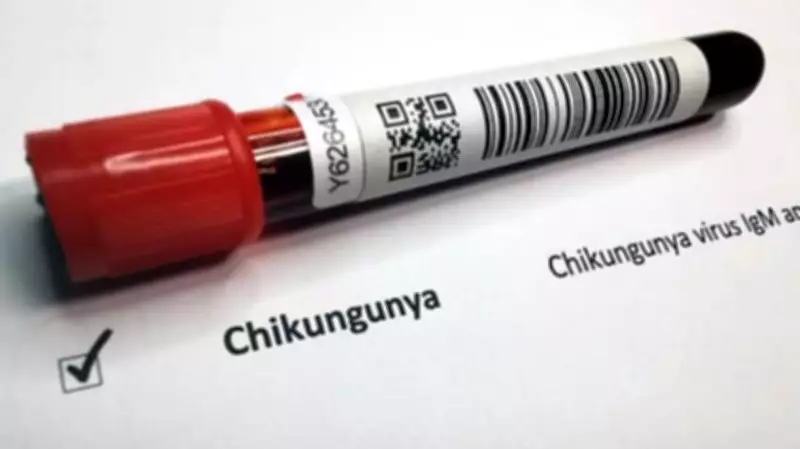
Chikungunya Outbreak Confirmed in Ernakulam, Kerala; Health Authorities on High Alert
Health officials in Ernakulam district, Kerala, have reported multiple confirmed cases of chikungunya, prompting an immediate and significant intensification of disease surveillance and public health measures across the region. The local health department has activated emergency protocols to contain the spread of the mosquito-borne viral illness, which poses a serious public health concern.
Symptoms and Health Risks Detailed by Medical Authorities
Medical experts and public health officials have issued urgent warnings regarding the severe symptoms associated with chikungunya infection. The disease typically manifests with a sudden onset of high fever, which can be debilitating for patients. Severe and often incapacitating joint pain is a hallmark symptom, particularly affecting the hands, ankles, and knees, and can persist for weeks or even months in some cases.
In addition to fever and joint pain, infected individuals may experience a range of other distressing symptoms, including:

- Intense muscle pain and body aches
- Persistent headaches and general fatigue
- Nausea and potential vomiting
- Skin rashes that may appear in some patients
Health authorities emphasize that while chikungunya is rarely fatal, the prolonged joint pain and discomfort can significantly impact quality of life and require medical management.
Enhanced Surveillance and Preventive Measures Implemented
In response to the confirmed cases, the Kerala health department has dramatically scaled up surveillance activities in Ernakulam and surrounding areas. This comprehensive approach includes:
- Active case finding and contact tracing to identify potential infections early
- Intensified mosquito control measures, including fogging and larval source reduction
- Public awareness campaigns about preventive practices and symptom recognition
- Strengthening of healthcare facilities to manage potential patient influx
Residents are being advised to take personal protective measures seriously, including using mosquito repellents, wearing protective clothing, and eliminating standing water where mosquitoes breed. The outbreak serves as a critical reminder of the ongoing threat posed by vector-borne diseases in tropical regions, particularly during periods conducive to mosquito proliferation.