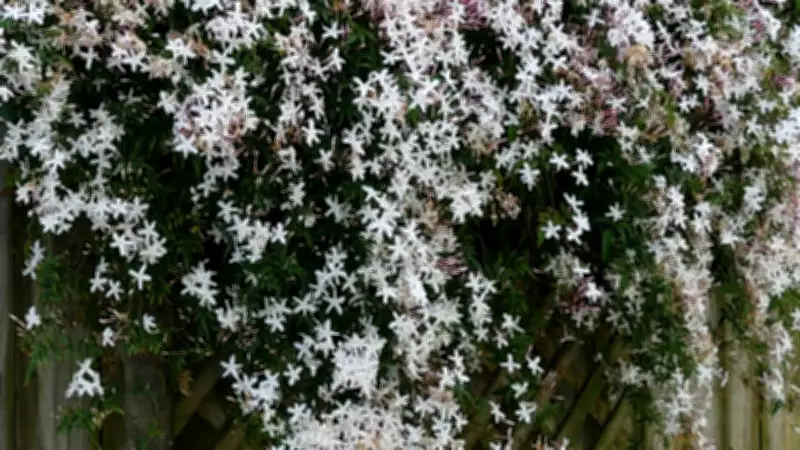
In apartment complexes, small garden patches often end up heavily planted to compensate for limited open space. Creepers spill across boundary walls, decorative shrubs fill narrow corners, and tropical plants cluster around parking areas or pathways. Visually, it works. But dense landscaping around residential buildings can also create sheltered spaces where snakes and scorpions occasionally appear. If you own real estate in a similar area, read on.
This tends to happen more often during hotter months when shaded soil, damp corners, and undisturbed plant beds become attractive hiding spots. Snakes usually arrive while following rodents, frogs, or lizards moving through the compound. Scorpions look for cooler protected spaces beneath stones, mulch, pipes, or thick foliage during the day. In many apartment gardens, the issue is less about dangerous plants themselves and more about the kind of environment certain plants quietly create near buildings, drainage areas, and ground-floor flats.
6 Popular Apartment Plants That May Attract Snakes and Scorpions
1. Jasmine
Jasmine is commonly planted near apartment entrances and boundary fencing because it grows quickly and softens concrete-heavy spaces. Once fully grown, though, the vines become thick and difficult to inspect near the base. Dry leaves and trapped moisture underneath the plant can attract insects and small lizards. In apartment compounds with regular watering schedules, frogs and rodents may also move through these shaded sections, particularly near drains or basement ramps. Snakes are often reported in these areas while searching for prey rather than because of the flowers themselves. Scorpions may hide beneath tangled roots, fallen leaves, or cracks around the wall where the plant spreads densely. Ground-floor residents sometimes notice them near shoe racks, parking edges, or garden lights close to overgrown jasmine sections.

2. Cedar Trees
Tall ornamental trees such as cedar are frequently planted around apartment parking spaces or outer perimeters because they provide constant shade. Over time, dry needles and leaf litter collect underneath, especially in corners that receive little maintenance. That layer of debris creates shelter for insects and small rodents. Scorpions tend to remain hidden beneath stones, bark, and dry organic matter during daytime heat, making heavily shaded tree bases suitable resting areas. Snakes occasionally move through these cooler patches as well. In larger residential complexes, long rows of dense trees can form uninterrupted shaded corridors connecting drains, gardens, and unused corners of the property.
3. Banana Plants
Banana plants are still found in many apartment compounds, particularly in tropical cities where residents grow them near service lanes or shared garden spaces. The problem is not the fruit. It is the environment around the plant once leaves begin accumulating. The broad foliage traps humidity underneath and keeps the soil wet for long periods. Fallen leaves decay quickly and attract insects, which can increase scorpion activity nearby. Frogs and small reptiles are also commonly seen around damp banana patches close to water outlets or leakage-prone areas. Snakes are frequently associated with overgrown banana clusters because the plants provide deep shade and easy cover. In apartment settings, this becomes more noticeable near unused corners or poorly lit garden strips beside boundary walls.
4. Juniper Shrubs
Juniper shrubs are popular in apartment landscaping because they stay green throughout the year and require relatively little shaping. Many complexes use them along pathways, security cabins, or parking dividers. The issue develops once the lower branches spread close to the ground. Hollow spaces form underneath, and visibility drops significantly around the roots. Scorpions may shelter under stones and dry soil beneath the shrubs during the daytime. Snakes moving through landscaped pathways often use these low-covered sections for temporary shelter while travelling across the compound at night.

5. Groundcovers
Ground-hugging creepers and decorative ivy are widely used around apartment buildings because they fill empty soil quickly and reduce visible dust. In practice, though, dense groundcover can hide movement underneath completely. Scorpions are commonly linked to such spaces because they remain dark and undisturbed close to the soil surface. The same areas may also support insects and small reptiles. Once overgrown, the plants make it difficult for maintenance staff to spot animal activity early. Snakes may use these creeping patches while moving between drains, garden beds, and storage spaces. Sightings are often reported near electrical rooms, generator areas, or water tanks where groundcover spreads unchecked along walls.
6. Hostas
Hostas are decorative shade plants often used around clubhouses, seating areas, and shaded corners inside residential compounds. Their broad leaves create cool, damp soil conditions underneath, especially where watering is frequent. Insects and slugs gather around the moist base of the plant, which can attract small predators. Scorpions sometimes remain hidden beneath mulch or stones surrounding hosta beds during the day. Although hostas themselves are not considered harmful, thick ornamental planting around apartment walkways can unintentionally reduce visibility near the ground. That becomes more problematic during monsoon periods when vegetation grows rapidly, and maintenance slows.
Ready to Make a Smarter Property Decision? Build Your Legacy with TOI Homes.
About the Author: TOI Lifestyle Desk
The TOI Lifestyle Desk is a dynamic team of dedicated journalists who, with unwavering passion and commitment, sift through the pulse of the nation to curate a vibrant tapestry of lifestyle news for The Times of India readers. At the TOI Lifestyle Desk, we go beyond the obvious, delving into the extraordinary. Consider us your lifestyle companion, providing a daily dose of inspiration and information. Whether you're seeking the latest fashion trends, travel escapades, culinary delights, or wellness tips, the TOI Lifestyle Desk is your one-stop destination for an enriching lifestyle experience.