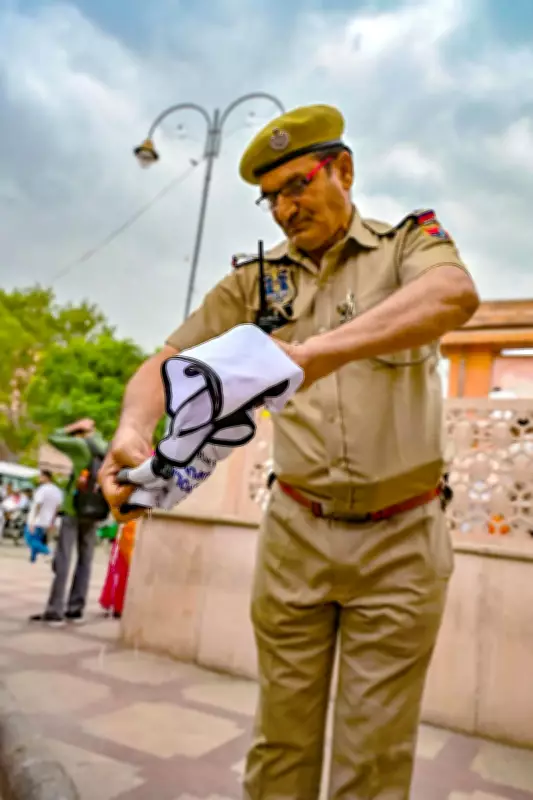
The soaring temperatures in Jaipur have prompted the city's traffic department to adopt a new piece of on-duty gear: reflective-cum-cooling jackets designed to enhance both safety and comfort for personnel stationed on busy roads. The department has procured 100 jackets for traffic officers at the level of sub-inspector and assistant sub-inspector, targeting those most exposed to long hours of field duty.
Addressing Visibility and Heat Challenges
The jackets are designed to solve a visibility gap created by standard uniforms after dark. Officers at these levels wear Khaki uniforms, which are not safe for managing traffic on roads at night. The new vests are fluorescent and reflective, helping motorists spot officials more quickly and reducing the risk of accidents during night deployments.
“These reflective vests have dual purposes. Traffic officials wear them during the day as well, as they help keep the body cool,” said DCP Traffic Yogesh Goyal.

Cooling Mechanism and Effectiveness
According to officials, the jackets can reduce body temperature by 5–6 degrees Celsius. The initiative comes as Jaipur continues to face intense heat, with temperatures crossing 40°C and peaking at 43.7°C on May 26. The cooling mechanism is simple: dip the jacket in water, squeeze it, and wear it. Officials say the fabric remains dry to the touch while delivering cooling, allowing personnel to stay comfortable without feeling drenched.
“The products are well-researched and tested for safety and performance, ensuring the user’s experience is relaxed and performance oriented,” a senior police official said.
Concerns and Manufacturer Feedback
However, some officers have reported headaches and dehydration, noting that the jackets cool only the upper body while the lower body remains exposed to heat. “Not all, but a few officials have raised concerns. We are in talks with the manufacturer to address these issues,” Goyal added.
The initiative reflects the department's commitment to officer welfare amid extreme weather conditions, though adjustments may be needed to ensure comprehensive protection.