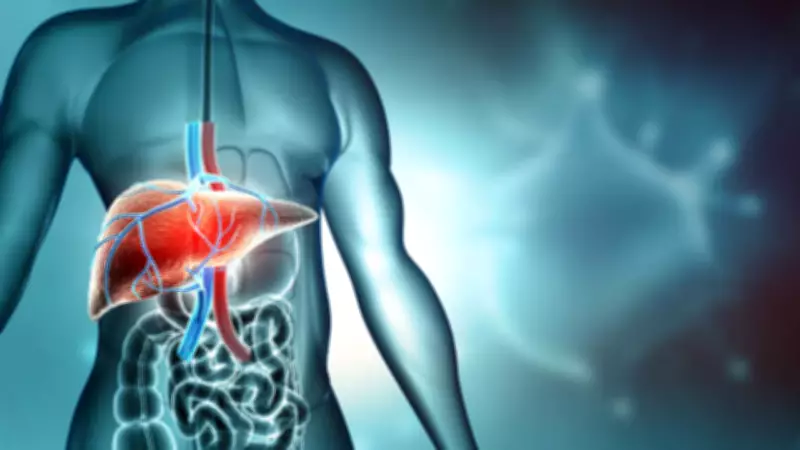
The incidence of liver disease is on the rise worldwide. Rapid urbanization, dietary shifts, and lifestyle changes have increased the risk of developing liver disease at an early age. The good news is that when detected and treated early, the liver can regenerate completely. However, with the surge in social media usage, a vast amount of misinformation circulates, making it crucial to dispel these misconceptions to save lives.
Myth: Liver Disease Only Affects Alcohol Drinkers
One of the most pervasive myths is that liver disease is solely caused by alcohol consumption and that teetotalers are immune. I am routinely asked, “Doctor, I have never had a drink in my entire life. How did I get liver disease?” While excessive alcohol intake is a known cause, a growing number of patients today suffer from Metabolic Associated Steatotic Liver Disease (formerly called Non-alcoholic Fatty Liver Disease). In fact, fatty liver disease has overtaken alcohol as the leading cause of liver failure in my practice, often necessitating liver transplantation. This condition is closely linked to obesity, diabetes, high-calorie diets, and physical inactivity—factors common among many professionals. Surprisingly, even seemingly fit individuals can develop fatty liver due to undiagnosed metabolic risk factors.
Myth: Liver Disease Shows Early Symptoms
Another misconception is that liver disease is easily diagnosed because symptoms appear early. In reality, the liver can sustain damage up to 60–70% before physical symptoms emerge. When a patient presents with jaundice, abdominal fluid accumulation, or internal bleeding, it typically indicates that the disease has progressed to severe fibrosis or cirrhosis, at which point reversal may be impossible. This is why liver disease is called the “silent killer.” The silent progression underscores the importance of regular health check-ups, especially for high-risk individuals, to diagnose, prevent, and treat liver disease early.

Myth: Normal Liver Function Tests Mean a Healthy Liver
A normal liver function test should not provide false reassurance. While blood tests are important, they often become abnormal only in later stages. Serious conditions like steatohepatitis (fatty liver with inflammation) can advance without detection in blood work. Experts recommend combining blood tests with clinical consultations and imaging studies such as ultrasound and FibroScan for earlier and more accurate diagnosis.
Myth: Herbal Remedies Are Safe for the Liver
A current trend is to try “natural” or “herbal” remedies for liver disorders. The belief that these are safer and without side effects is flawed. While many may be inherently safe, unregulated supplements have been linked to drug-induced liver injury, sometimes leading to complete liver failure. “Natural” does not mean harmless, and self-medication without expert guidance can do more harm than good.
Myth: Liver Disease Is Irreversible
Another dangerous myth is that once liver disease sets in, it cannot be reversed. While this holds true for advanced stages like cirrhosis, most early-stage liver diseases—including fatty liver and early fibrosis—are completely reversible if diagnosed in time. A tailored regimen of healthy diet, regular exercise, and medications can reverse the disease. Only when it progresses to late fibrosis or cirrhosis does reversal become impossible. At that point, liver transplantation is the only treatment option. This is why we advise maintaining a healthy lifestyle along with regular health checks and specialist consultations.
Myth: Detox Diets and Juice Cleanses Cure Liver Damage
Social media promotes “detox” diets and “juice cleanses” as cures for liver damage. In reality, the liver is the body’s primary detoxifying organ, and no scientific evidence supports that such diets improve liver function. Extreme practices like prolonged fasting or pure juice diets may even worsen liver health. A well-balanced lifestyle with carbohydrates, proteins, fiber, and healthy fats, combined with regular exercise, is essential. Shortcuts rarely work.

Conclusion
Liver disease is largely preventable and completely reversible when diagnosed early. Dispelling myths is the first step toward awareness. Vaccination against Hepatitis B, maintaining a healthy lifestyle, avoiding unnecessary medications or supplements, and undergoing regular screening are cornerstones of good liver and overall health. A well-informed approach can protect this vital organ.