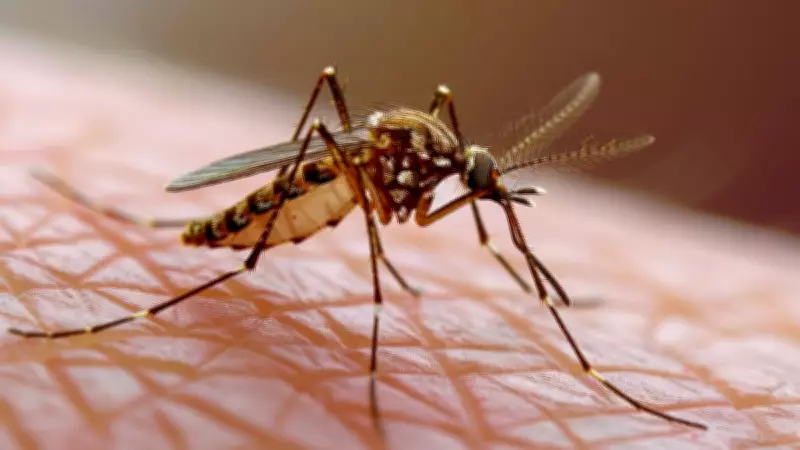
National Dengue Day is observed annually on May 16 in India to raise awareness about dengue fever, its symptoms, prevention, and treatment. Dengue is a mosquito-borne viral infection that can cause severe flu-like illness and, in some cases, develop into a potentially fatal complication called severe dengue.
What is Dengue Fever?
Dengue fever is caused by the dengue virus, which is transmitted to humans through the bite of infected Aedes mosquitoes, primarily Aedes aegypti. The disease is prevalent in tropical and subtropical regions, including India. Symptoms typically appear 4-10 days after infection and last for 2-7 days.
Symptoms and Warning Signs
Common symptoms of dengue include high fever (40°C/104°F), severe headache, pain behind the eyes, muscle and joint pains, nausea, vomiting, swollen glands, and rash. Warning signs of severe dengue, which can occur 24-48 hours after the fever subsides, include severe abdominal pain, persistent vomiting, rapid breathing, bleeding gums, fatigue, restlessness, and blood in vomit or stool. Early recognition of these signs is crucial to prevent complications.

Can Dengue Cause Death?
Yes, dengue can cause death if not managed properly. Severe dengue, also known as dengue hemorrhagic fever or dengue shock syndrome, can lead to plasma leakage, fluid accumulation, respiratory distress, severe bleeding, or organ impairment. With timely medical care, mortality rates can be reduced to less than 1%.
Treatment for Dengue
There is no specific antiviral treatment for dengue. Management focuses on supportive care, including hydration, pain relief with acetaminophen (avoid aspirin and ibuprofen), and close monitoring of symptoms. Patients with severe dengue may require intravenous fluids, blood transfusions, and hospitalization.
Low Platelet Count and Dehydration
Dengue often causes a drop in platelet count (thrombocytopenia), which can increase the risk of bleeding. Dehydration is also a common concern due to high fever, vomiting, and reduced fluid intake. Drinking plenty of fluids and seeking medical advice for persistent symptoms is essential.
Prevention Tips
Preventing mosquito bites is the key to avoiding dengue. Use mosquito repellents, wear long-sleeved clothing, use mosquito nets, and eliminate standing water where mosquitoes breed. Community efforts to control mosquito populations are also vital.
On National Dengue Day 2026, health authorities emphasize the importance of early diagnosis and proper management to reduce the burden of this disease.