A new study has found that emissions from unmitigated small sources contribute more to overall air pollution than large industries and the transport sector. The research, based on sample studies in Varanasi and Ludhiana, was conducted to understand pollution trends across the Indo-Gangetic plain, which includes Delhi-NCR.
Key Findings of the Study
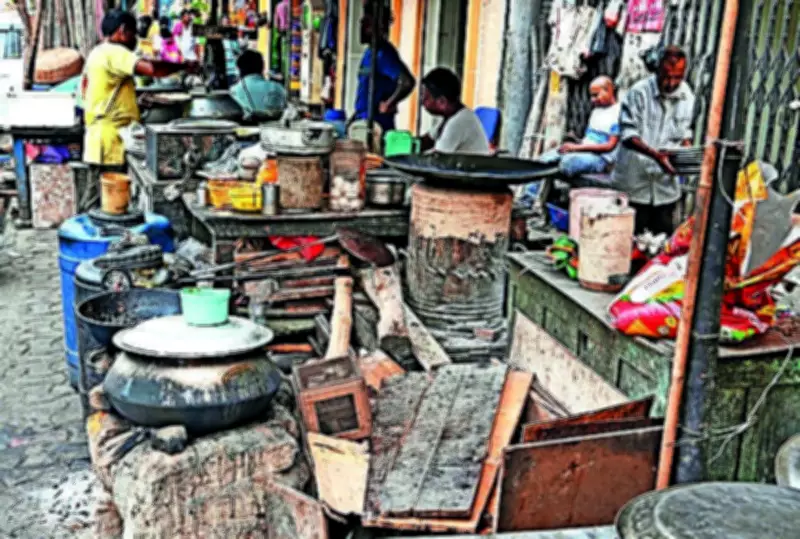
Researchers found that small eateries and micro, small and medium enterprises (MSMEs), though individually minor contributors, collectively add significantly to PM2.5 pollution because of their large numbers and lack of mitigation measures.
Lead researcher of the project titled — Reducing Emissions from Unmitigated Fuel Usage: Data-Driven Strategies for Air Quality and Climate Action in IGP — Udhaya Kumar said wherever studies are conducted to make an emission inventory, the smaller contributors are largely ignored. Unmitigated fuel in the title of the study refers to the combustion of any fuel, whether for productive end uses or other purposes, without the application of air pollution control devices.

“The study focuses on two contrasting districts in the Indo-Gangetic Plain — Ludhiana in Punjab, a major industrial and manufacturing hub, and Varanasi in Uttar Pradesh, a prominent heritage and tourism centre. It reveals that a significant share of particulate matter emissions in both districts originates from fuel use occurring without adequate pollution controls or regulatory mechanisms,” said Kumar. “Ludhiana generates approximately 21,000 tonnes of PM2.5 emissions annually, of which 54% originates from unmitigated sources. In Varanasi, annual PM2.5 emissions are estimated at 14,000 tonnes, with 62% remaining unmitigated.” He said that the study indicates there are substantial gaps in existing emission inventories and clean air planning approaches.
Expert Opinions on the Study
Director research of International Forum for Environment, Sustainability and Technology Pratima Singh pointed out that the agriculture sector remains largely unmitigated. “Though we have data and have identified sources like stubble burning, threshers and water pumps operating on diesel, much has not been done to deploy pollution control measures,” she said. “The findings have important implications for India’s National Clean Air Programme and future air quality management strategies. By introducing a new framework for identifying and quantifying unmitigated fuel use, the study provides policymakers and regulators with a more comprehensive understanding of emission sources.”
Climate science adviser for Clean Air Fund Arindam Roy said the study must be conducted for more districts in the country to develop a national database. “At the district level, the findings seem to be substantial, but only if it reflects at the national level, funding mechanisms could be expedited for mitigating these small contributors,” he said.
Commenting on the findings, Trailokya Saud of IIT Kanpur said that the approach for preparing emission inventory must be rectified. “When the small sources like the eateries and domestic cooking or stubble burning are contributing more to the PM2.5 emissions, we have to give them a place in the inventory towards the top of the chart to be addressed,” he said.