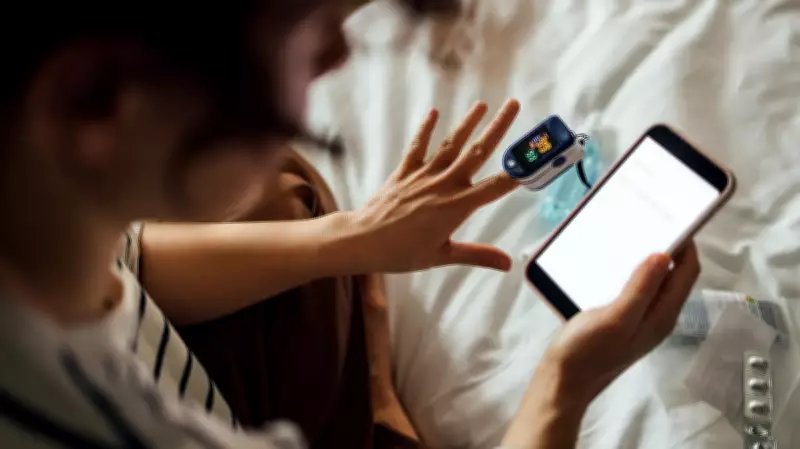
The Hidden Dangers of Self-Diagnosis in the Digital Age
In today's fast-paced world, many people turn to quick solutions when they experience mild symptoms, often putting two and two together to self-diagnose. This approach might seem reasonable at first glance, but the ills of playing doctor can have severe consequences for your health. With the rise of artificial intelligence tools like ChatGPT, the temptation to seek instant medical advice online has grown, making it crucial to understand why self-diagnosis can cost you more than just time.
Why Self-Diagnosis Is a Risky Game
Self-diagnosis involves interpreting symptoms without professional medical training, which can lead to dangerous outcomes. When individuals rely on internet searches or AI chatbots for health concerns, they often receive incomplete or inaccurate information. This practice can result in misdiagnosis, where serious conditions are overlooked or minor issues are exaggerated, causing unnecessary anxiety and stress.
Common pitfalls of self-diagnosis include:

- Misinterpretation of Symptoms: Mild symptoms like fatigue or headaches can be signs of various conditions, from stress to chronic illnesses, and self-diagnosis often fails to account for this complexity.
- Delayed Treatment: By assuming a benign cause, individuals may postpone visiting a doctor, allowing potential health issues to worsen over time.
- Overreliance on Technology: Tools like ChatGPT are not designed for medical diagnosis and lack the nuanced understanding that healthcare professionals provide.
The Role of ChatGPT and Online Resources
While ChatGPT and similar platforms offer vast information, they should not replace professional medical advice. These AI systems can provide general knowledge but cannot perform physical exams, consider personal medical history, or offer tailored recommendations. Using them for self-diagnosis can lead to incorrect conclusions, such as mistaking a common cold for something more serious or vice versa.
Key reasons to avoid AI for health decisions:
- Lack of accountability in case of errors.
- Inability to assess context-specific factors like lifestyle or genetics.
- Potential for spreading misinformation based on outdated or unverified data.
Health Implications and Real-World Costs
The ills of self-diagnosis extend beyond immediate health risks. It can lead to unnecessary medical expenses from treating non-existent conditions or, conversely, financial burdens from untreated illnesses. Moreover, the psychological toll of constant worry about self-diagnosed issues can impact mental well-being, creating a cycle of health anxiety that further complicates one's overall health.
In conclusion, while it might be tempting to play doctor with tools like ChatGPT, the risks far outweigh the convenience. Always consult a qualified healthcare provider for accurate diagnosis and treatment, ensuring your health is in safe hands. Remember, when it comes to your well-being, professional guidance is irreplaceable.