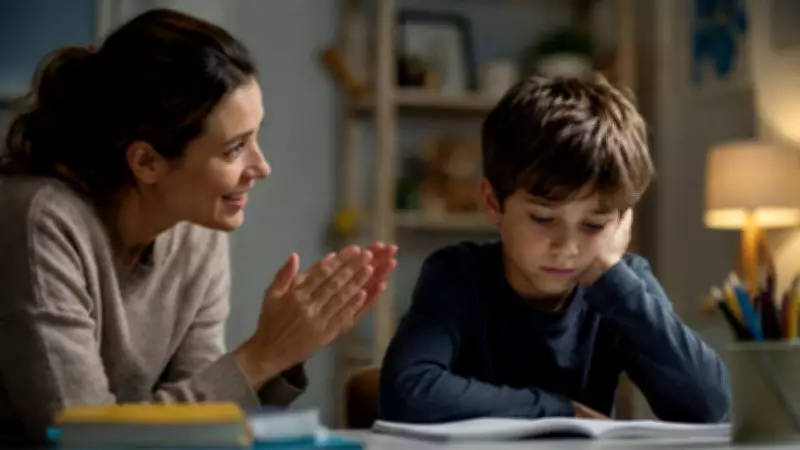
Praising children can help them grow, but when every achievement is treated as extraordinary, encouragement can quietly become pressure. A child did something well, an adult offered encouragement, and confidence was expected to follow. More recently, that certainty has weakened. Studies warn parents that too much praise may have unintended effects, from heightened anxiety to an exaggerated sense of entitlement. The concern is particularly sharp around broad compliments that celebrate the child rather than the effort behind an achievement. Yet the discussion is often framed as a choice between praising children and withholding praise. The evidence points to something more complicated. The question is not whether children need approval from adults; it is what kind of approval helps them grow, and what kind quietly gets in the way.
How Praise Can Shape a Child’s View of Success and Failure
Children are surprisingly attentive to the messages hidden inside adult reactions. A simple comment such as “You’re so clever” may seem harmless, even encouraging. Yet the meaning a child takes from it can stretch far beyond the moment itself. When success becomes linked to personal qualities such as intelligence or talent, achievement starts to feel like a test of identity. Good results suggest they are smart. Mistakes hint that perhaps they are not. Over time, this can make challenges feel riskier than they actually are. The possibility of failure no longer threatens a single task; it threatens the image a child has built of themselves.
As reported by the Child Mind Institute, this pattern has been explored extensively through the work of psychologist Carol Dweck, whose research distinguishes between fixed and growth mindsets. Children who view ability as permanent often become preoccupied with proving themselves. Those who see abilities as changeable are generally more willing to persist through difficulty because setbacks carry a different meaning. Failure becomes information rather than judgment.

How Praise for Effort Helps Children Embrace Challenges
Encouragement does not disappear in a growth-oriented approach. If anything, adults tend to pay closer attention. Rather than celebrating a child as naturally gifted, attention shifts towards persistence, concentration, experimentation, and improvement. A child who spends time solving a difficult problem receives recognition for sticking with it. A young footballer is praised for practising, regardless of whether they scored the winning goal. The emphasis moves away from personal labels and towards actions.
A study published in Frontiers in Psychology, titled ‘Effects of Ability and Effort Praise on Children’s Failure Attribution, Self-Handicapping, and Performance', found that children praised for ability were more likely to adopt defensive responses following failure and showed less improvement in subsequent performance. The findings reinforce a broader body of research suggesting that effort-focused feedback may encourage more adaptive reactions to setbacks. Because effort remains within a child's control, it can help foster a growth-oriented view of learning. Research on growth mindset interventions has also linked this perspective to greater persistence and resilience when children encounter difficulties.
The Overlooked Impact of Criticism on Children
The modern debate sometimes gives the impression that children are drowning in compliments. Yet many child psychologists argue that criticism remains a far more common problem. An excerpt from Dr. Barish’s book, Pride and Joy in Child Mind Institute, reveals that children naturally look towards trusted adults for signs of approval and reassurance after success and comfort even after disappointment. When that approval is consistently absent, or when criticism dominates everyday interactions, the effects can linger. In clinical settings, practitioners often encounter children who have become discouraged rather than overconfident. Some stop trying after relatively small setbacks. Others react with anger or defensiveness. Their difficulties are not necessarily rooted in receiving too much praise. More often, they reflect repeated experiences of feeling judged, corrected, or found wanting.

This does not mean every effort deserves celebration. Children are usually capable of recognising insincerity. Empty compliments offered automatically can feel as hollow to them as they do to adults. Genuine acknowledgment, however, serves a different purpose. It tells children that their efforts have been noticed.
Understanding Children’s Need for Acknowledgment
Some critics argue that frequent praise creates dependence on external approval. According to this view, children may become increasingly reliant on compliments and lose the ability to motivate themselves. The concern has intuitive appeal. Few parents want children who constantly seek validation from others. Yet there is another way of looking at the issue.
Human beings are social creatures from the beginning. Young children instinctively share achievements, whether it is a tower of blocks, a drawing, or a newly mastered skill. They glance towards adults for recognition. This response appears less like a learned addiction and more like a normal feature of development.
An article in the Association for Psychological Science Journal, titled ‘“That’s Not Just Beautiful—That’s Incredibly Beautiful!”: The Adverse Impact of Inflated Praise on Children With Low Self-Esteem’, states that inflated praise may sometimes have unintended consequences. Children with low self-esteem who receive exaggerated praise can feel pressure to maintain exceptionally high standards, making them less willing to take on difficult tasks where failure is possible. Rather than boosting confidence, inflated praise may encourage avoidance of challenges and limit valuable learning opportunities.
How Meaningful Praise Supports Healthy Child Development
The strongest lesson emerging from the research is not that praise should be avoided. Nor is it that every effort deserves enthusiastic celebration. Children benefit when adults pay close attention to what they are actually doing. Meaningful praise tends to be specific, grounded in reality, and connected to behaviour rather than personal worth. A child who perseveres through frustration, helps another person, practises a difficult skill, or learns from a mistake has given adults something concrete to acknowledge. Those moments create opportunities for encouragement without turning success into a test of character or ability.
The debate over praise often becomes polarised, as though adults must choose between endless compliments and harsh honesty. Most children probably need neither. What they appear to respond to best is something simpler: recognition that is sincere, proportionate, and rooted in the effort of becoming better at something over time.
What Is the Right Way to Praise Children?
- Praise effort, not ability: Children respond differently depending on what adults choose to highlight. Instead of attaching success to who they are, attention shifts more usefully when it is directed towards what they did to get there.
- Focus on process, not personality: What often matters most is not the end result itself, but the steps taken along the way. When praise reflects process rather than character, it keeps the focus on learning rather than labels.
- Be specific instead of using inflated praise (“amazing”, “perfect”): General praise can sound warm in the moment, but it often carries little meaning. Specific feedback tends to land more clearly because it connects directly to a real action or effort.
- Describe what the child did rather than judging them: There is a difference between evaluating a child and noticing their behaviour. Observations about actions feel more grounded and less like fixed judgments about ability.
- Keep praise realistic and balanced: Encouragement works best when it feels believable. When praise stays within the bounds of what actually happened, it avoids creating pressure that can come from overstated approval.