Delhi Government Announces Rs 13,035 Crore Health Budget with Marginal Hike
The Delhi government has allocated Rs 13,035 crore to the health sector for the upcoming fiscal year, marking a marginal increase of approximately 1% over the budgetary outlay from 2025-26. This allocation places a strong emphasis on completing long-pending medical infrastructure projects, expanding critical care facilities, and boosting primary healthcare access across the national capital.
Political Context and Policy Announcements
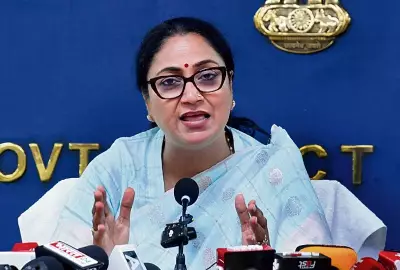
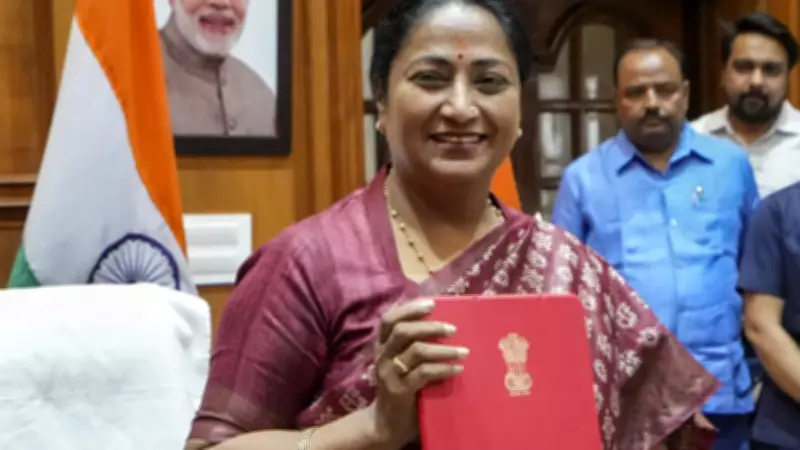
Framing the budget in a political context, Chief Minister Rekha Gupta highlighted alleged irregularities in past healthcare projects, citing "corruption" in procurements of medicines and devices and "poor facilities" under the erstwhile Aam Aadmi Party (AAP) government. She also took aim at the opposition party, noting their absence from the assembly during the budget session.
On the policy front, the government announced several key initiatives:

- Expanded insurance coverage under Ayushman Bharat Pradhan Mantri Jan Arogya Yojana.
- A new neonatal screening scheme called ANMOL.
- Establishment of more medical colleges.
- Implementation of tech-driven healthcare systems in Delhi.
Key Healthcare Schemes and Allocations
A major highlight is the launch of the ANMOL (Advanced Newborn Monitoring and Optimal Lifecare) scheme, which will provide 56 free diagnostic tests for newborns to detect genetic and congenital disorders. Chief Minister Gupta stated, "There are several conditions... where medical intervention becomes difficult if not diagnosed early. The scheme covers babies born in both government and private hospitals."
The government has also expanded insurance coverage to include ration card holders, ASHA and Anganwadi workers, widows, persons with disabilities, and the transgender community. This move, with an allocation of Rs 202 crore, is expected to cover nearly 7.5 lakh beneficiaries.
Infrastructure Development and Hospital Projects
A significant thrust has been placed on fast-tracking long-pending hospital projects. The budget includes Rs 515 crore for accelerating construction and upgradation at facilities in Madipur, Siraspur, Hastsal, and Jwalapuri, alongside expansions at Rao Tula Ram Memorial, Baba Saheb Ambedkar, and Lal Bahadur Shastri hospitals. Pending work at Lok Nayak Jai Prakash Hospital and Satyawadi Raja Harishchandra Hospital is also slated for completion.
In parallel, Rs 150 crore has been earmarked to operationalise seven ICU hospitals, thereby boosting Delhi's critical care capacity. To strengthen service delivery, Rs 787 crore will be spent on drugs, diagnostics, and medical equipment through centralised procurement, aiming to streamline supply and reduce shortages.
Primary Healthcare and Medical Education Enhancements
At the primary care level, over 750 Ayushman Arogya Mandirs will be established with combined Centre-State funding of Rs 1,500 crore, alongside 11 integrated public health laboratories and nine critical care blocks. A Rs 200-crore trauma centre is planned at Guru Teg Bahadur Hospital.
The budget proposes to increase MBBS seats from 595 to 820 and postgraduate seats from 553 to 762. Additionally, Rs 50 crore has been allocated for a new medical college at Indira Gandhi Hospital in Dwarka, with a similar amount set aside for two new hostel buildings at the Maulana Azad Medical College (MAMC) campus.
Digital Healthcare Initiatives and Expert Opinions
In a push towards digital healthcare, the government will roll out a real-time bed and ventilator tracking system, along with a digital blood bank and donor registry to improve emergency response and reduce delays in patient care.

Health Minister Pankaj Kumar Singh described the outlay as a "decisive step towards building a robust, inclusive and affordable healthcare system." Dr. K. K. Talwar, former chairman of the Medical Council of India, commented, "The increase in health budget to strengthen infrastructure in various hospitals and increase UG and PG seats in public sector hospitals is credible. However, there should be proper monitoring to ensure quality care in public sector hospitals."