Himachal Pradesh Ambulance Workers Initiate Five-Day Strike, Disrupting Emergency Services
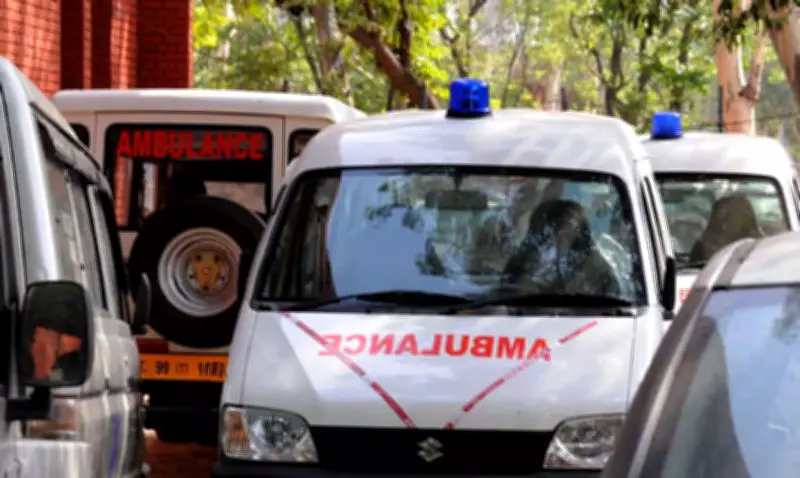
In a significant development affecting healthcare delivery, ambulance workers across Himachal Pradesh have commenced a five-day strike, leading to widespread disruptions in emergency medical services. The industrial action, which began recently, has left many patients and hospitals grappling with delays and limited access to critical transport facilities.
Key Demands Behind the Strike
The striking workers, including drivers and paramedical staff, are primarily protesting for improved wages and better working conditions. Their demands center on:
- Higher Salaries: Workers are seeking a substantial increase in their monthly pay to match rising living costs.
- Job Security: Many are calling for permanent employment status instead of contractual arrangements.
- Improved Benefits: Demands include enhanced health insurance, pension plans, and other welfare measures.
These grievances have been simmering for months, with negotiations between worker unions and state authorities failing to yield a resolution, prompting the strike.

Impact on Healthcare Services
The strike has severely affected ambulance operations in both urban and rural areas of Himachal Pradesh. Reports indicate:
- Reduced Availability: A significant number of ambulances are off the roads, leading to longer response times for emergencies.
- Patient Inconvenience: Individuals requiring urgent medical attention, such as accident victims or those with critical illnesses, are facing delays in reaching hospitals.
- Hospital Strain: Healthcare facilities are experiencing increased pressure as they manage with limited ambulance support for patient transfers and emergencies.
Authorities have urged the public to use alternative transport options where possible, but this has proven challenging in remote regions with poor connectivity.
Government Response and Negotiations
State officials have acknowledged the strike's impact and are engaged in talks with union representatives to resolve the issue. Efforts include:
- Mediation Meetings: High-level discussions are underway to address the workers' demands and restore services promptly.
- Contingency Plans: The government is exploring temporary measures, such as deploying additional vehicles or staff, to mitigate the crisis.
- Public Appeals: Authorities have called for patience and cooperation from citizens while negotiations progress.
However, as the strike continues, concerns are mounting over potential long-term effects on public health, especially in emergencies where timely medical intervention is crucial.
Broader Implications for Healthcare in Himachal
This strike highlights ongoing challenges in India's healthcare sector, particularly in hilly states like Himachal Pradesh. Key issues include:
- Workforce Welfare: The incident underscores the need for better compensation and job security for frontline healthcare workers.
- Infrastructure Gaps: It reveals vulnerabilities in emergency service networks, especially during labor disputes.
- Policy Reforms: There is a growing call for systemic changes to prevent such disruptions and ensure reliable healthcare access.
As the five-day strike unfolds, stakeholders are closely monitoring the situation, hoping for a swift resolution to minimize harm to patients and restore normalcy in ambulance services across Himachal Pradesh.