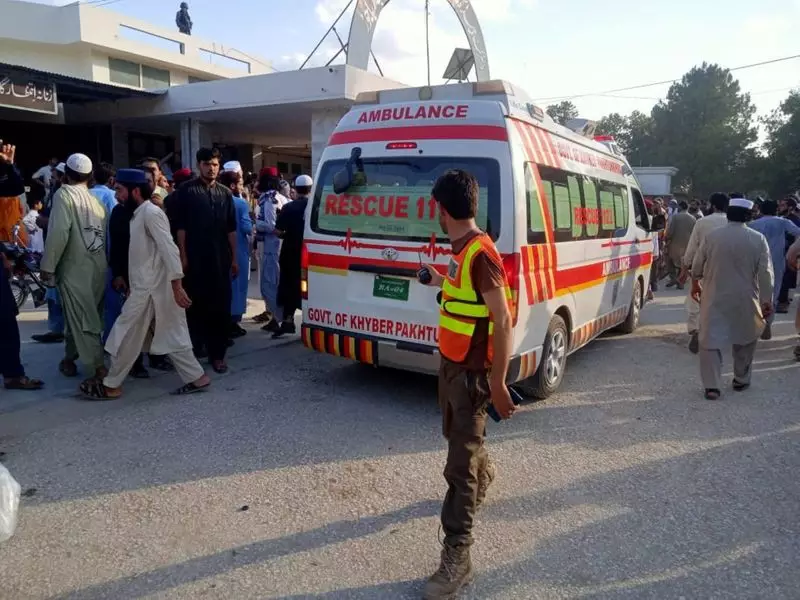
In a move that threatens to paralyze emergency medical response across the country, ambulance services in Pakistan are preparing for a complete nationwide shutdown. The drastic action stems from a prolonged and unresolved standoff between service providers and government authorities over critical funding and support.
The Impending Nationwide Shutdown
The shutdown is scheduled to commence on Wednesday, May 1. This decision will affect the entire network of emergency ambulance services, leaving millions of citizens without immediate access to critical pre-hospital care during medical emergencies, accidents, and disasters. The core of the dispute lies in the provincial government's alleged failure to release promised funds and provide necessary operational support.
Representatives from the ambulance services have expressed deep frustration after what they describe as exhausting all other avenues for dialogue. They state that the authorities have not honored their financial commitments, pushing the essential services to the brink of collapse. This funding crisis directly impacts the ability to maintain vehicles, pay staff salaries, and stock essential medical supplies.

Rescue 1122 at the Heart of the Crisis
At the epicenter of this crisis is Rescue 1122, a flagship emergency service in the Punjab province. Known for its rapid response in emergencies, Rescue 1122 has been a lifeline for countless citizens. However, the organization has been grappling with severe financial constraints that now threaten its very existence.
The service management has highlighted that despite repeated appeals and negotiations, the provincial government has not released the required budgetary allocations. This financial deadlock has made it impossible to continue operations, forcing the hand of service administrators to call for the unprecedented nationwide closure. The stalemate raises serious questions about the sustainability of public-private partnerships in critical healthcare infrastructure.
Consequences for Public Health and Safety
The consequences of a complete ambulance service shutdown are dire. Emergency response times will skyrocket, directly endangering lives in situations where minutes matter, such as heart attacks, strokes, road accidents, and other critical health incidents. Rural and remote areas, which are already underserved, will be disproportionately affected.
This crisis also places immense additional pressure on already overburdened hospital emergency rooms, as patients will need to find their own way to medical facilities. The breakdown of this primary emergency response layer could lead to a significant increase in preventable deaths and complications across Pakistan.
The standoff underscores a broader systemic issue in healthcare governance and funding prioritization. As the May 1 deadline looms, citizens, healthcare advocates, and civil society are calling for urgent intervention from the highest levels of government to avert what is being described as an impending public health catastrophe. The resolution of this dispute will be a critical test of the state's commitment to safeguarding the fundamental right to emergency medical care for its people.