Rajasthan Hospital Strike Enters Second Day, Cashless Medicines Halted
The suspension of cashless medicines under the Rajasthan Government Health Scheme (RGHS) by private hospitals persisted on Thursday, marking the second day of a strike organized by the Rajasthan Alliance of Hospital Associations (RAHA). This ongoing protest has disrupted healthcare services for many beneficiaries across the state.
Patients Directed to External Chemists Amidst Payment Dispute
As a result of the strike, patients seeking treatment at private hospitals were redirected to RGHS-empanelled chemists located outside these institutions. This measure was implemented to ensure some level of access to medications, though it has caused inconvenience and delays for those reliant on the cashless facility.
RAHA officials have cited a critical financial issue as the primary reason for the strike. They assert that hospitals and pharmacies have been unable to continue offering the cashless medicine service because payments from the government have been pending for the past nine months. According to a RAHA representative, the reconciliation of these dues remains unclear, and no definite timeline for payment has been communicated by the authorities.

The situation has escalated as dealers and vendors have begun to halt medicine supplies to these hospitals. This supply chain disruption has made it financially unviable for institutions to keep dispensing medicines without reimbursement, forcing them to take drastic action through the strike.
Government Claims Limited Impact, Highlights Ongoing Services
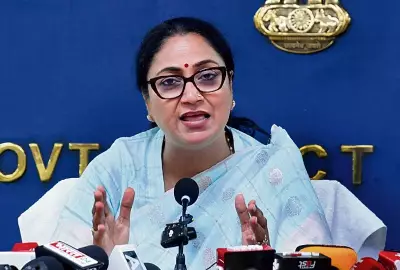
Despite the widespread disruption reported by RAHA, the state government has maintained that the impact of the strike has been limited. Harjilal Atal, CEO of the Rajasthan State Health Assurance Agency, stated that payments to hospitals and pharmacies are being processed regularly. He emphasized that pending dues are being cleared in phases on a priority basis to address the backlog.
To support this claim, Atal mentioned that more than 43,000 transaction IDs were generated under RGHS on Thursday, a figure comparable to normal operational days. Officials provided further data, noting that even on Ramnavami, a festival holiday, healthcare services remained active. Approximately 600 patients received inpatient department (IPD) treatment, about 1,000 availed day-care services, and nearly 23,000 received outpatient department (OPD) consultation and treatment. This led to the generation of more than 24,000 hospital transaction IDs.
In addition, over 19,000 invoices were generated by empanelled pharmacy stores. Combined, hospital transactions and pharmacy invoices crossed 43,000, which the health department cited as evidence that RGHS health services are continuing on a large scale despite the ongoing strike.
The standoff highlights a growing tension between private healthcare providers and the government over financial sustainability and payment delays. As the strike continues, patients are caught in the middle, facing uncertainties in accessing essential medical treatments and medications under the state health scheme.