

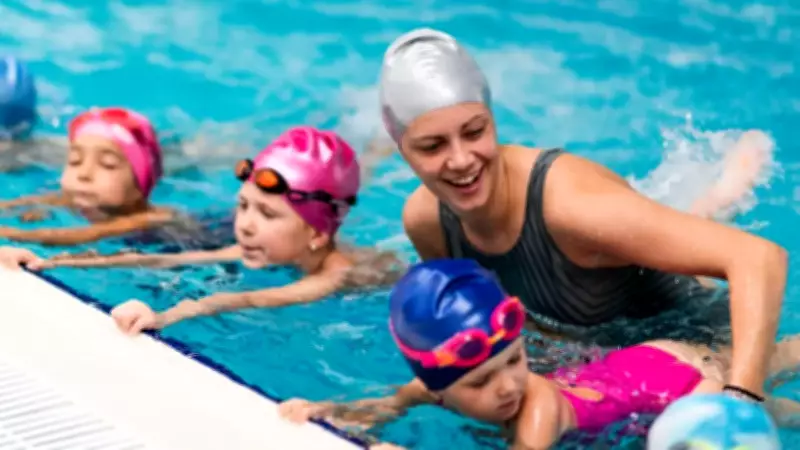
The American Academy of Pediatrics (AAP) has issued new guidelines aimed at preventing drownings as the summer swimming season approaches. Released on Monday, the updated recommendations address what the organization describes as 'widening disparities in fatal pediatric drowning rates based on race and ethnicity.'
Recent Drowning Incident Highlights Risks
The new recommendations come in the wake of the death of an 18-year-old in an apparent drowning while swimming with friends on Saturday in Shelter Island, New York, according to the Shelter Island Police Department.
Drowning as a Leading Cause of Death
Drowning is the leading cause of death in children between the ages of 1 and 4, according to the Centers for Disease Control and Prevention (CDC). In the United States, approximately 4,000 people die from drowning each year, the agency reports.

Racial and Ethnic Disparities
According to the CDC, drowning incidents are higher in certain racial groups. Black people under the age of 30 are more than 1.5 times as likely to drown as white people under 30. American Indian and Alaska Native people under 30 are twice as likely to drown compared with their white counterparts.
High Case-Fatality Rate
Among children and youth, drowning has the highest case-fatality rate at 13%, after firearm injuries, the AAP noted. Drowning is the second leading cause of unintentional injury or death in the United States in children aged 5 to 14 years, after motor vehicle injuries and deaths, the AAP adds.
Vulnerable Age Groups
'Toddlers are at the highest risk of drowning, as they can escape without notice even under the best of circumstances. Adolescents are also especially vulnerable since they may overestimate their swimming skills, misjudge the seriousness of water hazards, or engage in risky and impulsive behaviors,' said Dr. Rohit P. Shenoi, lead author of the new recommendations, in a statement.
Multiple Layers of Prevention
The AAP emphasized that multiple layers of prevention are necessary because 'no single method is effective in preventing drowning.' Proven strategies include four-sided isolation pool fencing with functioning self-closing and self-latching gates; close, constant, attentive, and competent supervision; swimming competency; life jacket use when boating; and early rescue and resuscitation of persons who have drowned.
'Clinicians have an important role in preventing drowning by providing age- and content-specific anticipatory guidance to their patients and by involving families, community partners, and public health officials when advocating for the implementation of evidence-based drowning countermeasures and culturally affirming aquatic policies in their community,' the AAP stated.
Key Recommendations for Parents and Caregivers
The latest recommendations highlight six key points:

- Young children should never be left unsupervised or with other children in or near bathtubs, pools, spas, or in or near flowing or standing water, even momentarily.
- A supervising adult with swimming skills should always be within arm's length of children and provide touch supervision for an infant, toddler, or weak swimmer who is in or around water.
- Early swimming lessons are important. Children should receive swimming lessons as early as after their first birthday.
- Children who are near water, non-swimmers, and those riding on boats should wear Coast Guard-approved life jackets, and adults should model their use.
- Fencing requirements, life jacket regulations, lifeguard standards, safe natural-water designations, and other related laws and regulations are proven strategies to reduce drowning deaths.
- Caregivers and teenagers should learn CPR and know how to perform safe rescue.





