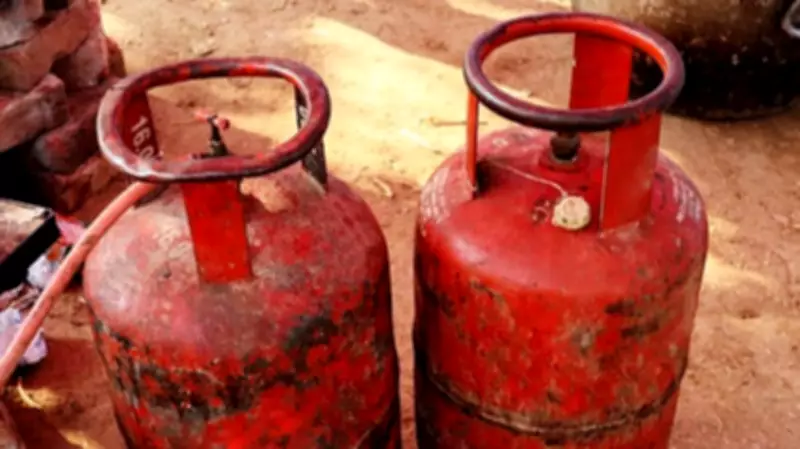
A recent study has found that Karnataka's flagship scheme, Anila Bhagya Yojane, which provided free liquefied petroleum gas (LPG) connections to poor households, resulted in only limited health improvements. The scheme, launched in 2017, aimed to reduce indoor air pollution from traditional cooking fuels like firewood and dung cakes, which are linked to respiratory diseases and other health issues.
Study Findings
The research, conducted by a team from the Indian Institute of Management Bangalore (IIMB) and other institutions, analyzed data from over 5,000 households across the state. It found that while the scheme successfully increased LPG adoption, the health benefits were modest. Specifically, there was a slight reduction in self-reported respiratory symptoms, but no significant decline in more severe health outcomes such as tuberculosis or chronic obstructive pulmonary disease (COPD).
Reasons for Limited Impact
The study suggests several reasons for the limited health gains. First, even after receiving free LPG connections, many households continued to use traditional fuels for certain cooking tasks, such as making rotis or heating water, due to cultural preferences or the high cost of LPG refills. Second, the scheme did not address other sources of indoor air pollution, such as tobacco smoke or poor ventilation. Third, the health benefits of cleaner cooking fuel may take longer to manifest and require sustained use over many years.

Policy Implications
The findings have important implications for policymakers. While providing free LPG connections is a necessary first step, it may not be sufficient to achieve significant health improvements. The study recommends complementary interventions, such as subsidies for LPG refills, behavioral change campaigns to promote exclusive use of clean fuels, and improvements in kitchen ventilation. Additionally, the health impacts should be monitored over a longer period to capture potential benefits that may emerge in the future.
Broader Context
Anila Bhagya Yojane is part of a broader national push to provide clean cooking fuel to poor households, with the Pradhan Mantri Ujjwala Yojana (PMUY) being the central government's equivalent scheme. Both schemes have been successful in increasing LPG coverage, but their health impacts remain a subject of debate. This study adds to the growing evidence that simply providing clean fuel infrastructure is not enough; sustained use and behavior change are crucial for realizing health benefits.
In conclusion, while Anila Bhagya Yojane has made progress in reducing dependence on polluting fuels, its health benefits have been limited so far. A more holistic approach, combining clean fuel access with behavioral and structural interventions, is needed to improve health outcomes in poor households.