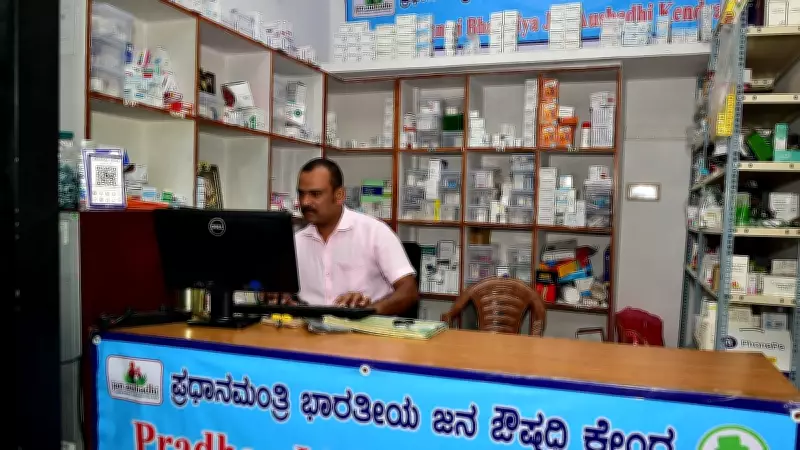
The Karnataka government is planning to introduce a licensing system for Jan Aushadhi outlets, which provide affordable generic medicines, in a bid to expand their reach across the state. This move aims to ensure quality control and increase the availability of low-cost medicines, particularly in rural and underserved areas.
Objective of the Licensing Plan
The primary goal of the proposed licensing regime is to streamline the operation of Jan Aushadhi outlets and encourage more entrepreneurs to open such stores. By formalizing the process, the government hopes to enhance the accessibility of generic medicines, which are often significantly cheaper than branded alternatives. This initiative aligns with the central government's Pradhan Mantri Bhartiya Janaushadhi Pariyojana (PMBJP), which seeks to make quality healthcare affordable for all.
Expected Benefits
If implemented, the licensing system could lead to a proliferation of Jan Aushadhi outlets, especially in rural Karnataka where access to affordable medicines is limited. Patients suffering from chronic diseases like diabetes, hypertension, and heart conditions stand to benefit the most, as they require long-term medication. The government also anticipates that increased competition will further drive down prices, benefiting consumers.

Regulatory Framework
The Karnataka Drugs Control Department is likely to oversee the licensing process, ensuring that outlets comply with storage and dispensing standards. License holders would be required to maintain proper records and adhere to pricing guidelines set by the central government. The state may also provide incentives such as subsidies or low-interest loans to encourage small entrepreneurs to set up outlets.
Current Status of Jan Aushadhi Outlets
Karnataka currently has over 200 Jan Aushadhi outlets, but their distribution is uneven, with most concentrated in urban areas. The licensing plan aims to correct this imbalance by making it easier for rural entrepreneurs to obtain licenses. The government is also considering setting up mobile Jan Aushadhi units to reach remote villages.
Challenges and Solutions
One of the main challenges is ensuring a steady supply of generic medicines, as some manufacturers may be reluctant to produce low-margin drugs. To address this, the state may collaborate with pharmaceutical companies and central agencies to guarantee supply. Additionally, public awareness campaigns will be essential to encourage patients to switch from branded to generic medicines, as many are skeptical about their efficacy.
Conclusion
The Karnataka government's proposal to license Jan Aushadhi outlets represents a significant step toward universal health coverage. By improving access to affordable medicines, the state can reduce the financial burden on patients and improve health outcomes. The success of this initiative will depend on effective implementation, monitoring, and public participation.