

Health officials in England are scrambling to stop a new meningitis outbreak after a student died and two more fell seriously ill in areas around Reading and Oxfordshire. The outbreak has put schools, families, and universities on edge, especially since earlier this year a number of students were affected by meningitis in Kent. Although the UK Health Security Agency (UKHSA) states that the risk for the general public remains low, authorities are acting swiftly by tracking down anyone who may have been exposed and providing them with antibiotics as a precaution.
Meningitis Outbreak in England’s Home Counties: What Happened?
According to Sky News, the student who died attended The Henley College in Oxfordshire. Two additional cases, linked to different schools around Reading, are currently being treated. One of these infections has been confirmed as meningitis B (MenB), the most common and dangerous type in the UK.
The situation has deeply unsettled parents, teachers, and students. Meningococcal disease progresses rapidly, as it can transition from mild symptoms to life-threatening illness within hours, potentially causing swelling around the brain and spine, bloodstream infections, and even organ failure.

Hart Surgery in Henley-on-Thames informed local families, confirming that UKHSA had reached out following the tragic death of a student. At present, health officials are identifying individuals who require preventative antibiotics and are contacting them directly. There are no plans for a mass vaccination campaign at this time. The number of cases remains small, but following the significant outbreak in Kent not long ago, there is a heightened sense of alert.
Earlier in Canterbury, an outbreak resulted in the deaths of two teenagers and hospitalized more than a dozen others. Scientists suspect that a crowded nightclub may have been the trigger, a classic setting for germs to spread from person to person through close contact, kissing, sharing drinks, or vaping. Over 30,000 people were contacted, and there were scenes of long lines for antibiotics or vaccines reminiscent of the early days of the COVID-19 pandemic.
This time, authorities state that the strain is not connected to the one in Kent, but it still serves as a wake-up call: for students living, studying, and socializing together, the risk never truly disappears.
What Is Meningitis: All You Should Know
To begin with, meningitis is not a single disease. It refers to inflammation of the membranes covering the brain and spinal cord, and it can be caused by various agents, including viruses, fungi, parasites, and bacteria. However, bacterial meningitis, particularly that caused by Neisseria meningitidis, is the type that kills and spreads most rapidly.
Teens and young adults are the demographic most severely affected by this disease. This is largely due to their frequent close interactions in classrooms, dormitories, bars, parties, music festivals, and shared housing. The bacteria are easily transmitted through saliva and respiratory droplets. Sharing water bottles, vapes, or simply being in a crowded space facilitates the spread to the next person.
The initial signs of meningitis are not always obvious; they can resemble the flu, exhaustion, or even a hangover. By the time the condition becomes severe, an individual may already be in serious danger. Symptoms to watch for include high fever, sudden headache, stiff neck, vomiting, confusion, extreme sleepiness, sensitivity to light, cold hands and feet, rapid breathing, a rash that does not fade when pressed with a glass, or seizures. Immediate medical attention is crucial, as the classic rash may appear late or not at all.
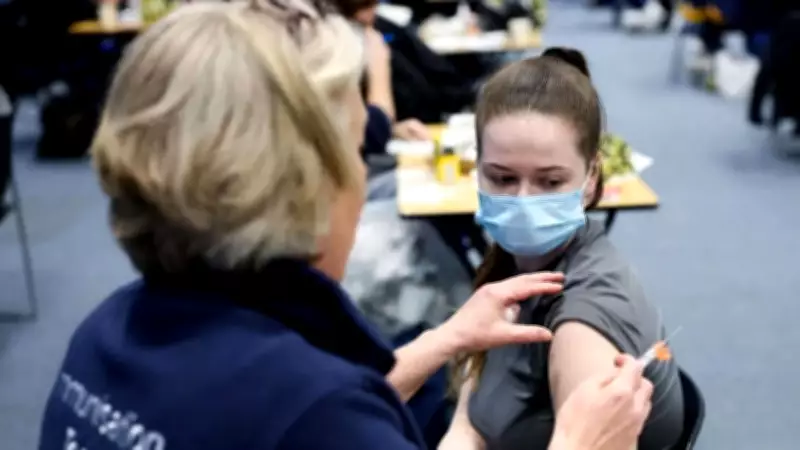
Vaccination is the most effective protective measure available. In the UK, teenagers and first-year university students receive the MenACWY vaccine, but the MenB vaccine has only been routinely offered to young children since 2015. This means that many older teenagers and students have not received the MenB shot unless their parents paid for it privately. Following the Kent outbreak, pharmacies experienced a complete depletion of stock as anxious families rushed to vaccinate their teenagers.

UKHSA’s current advice is straightforward: be aware of the symptoms, act quickly if meningitis is suspected, and ensure that vaccinations are up to date. Anyone who has been in close contact with a confirmed case is being offered antibiotics. Schools and colleges remain on high alert.





