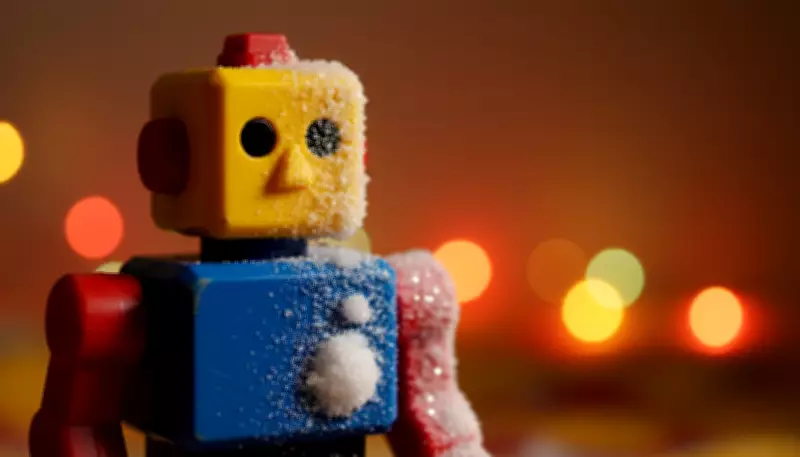
Toy cleaning often gets overlooked until someone falls ill or a suspicious odor emerges from the stuffed animal pile. However, you do not need an array of chemical sprays to tackle this chore. Common household items, particularly baking soda, can effectively clean toys without toxicity or high cost.
Why Baking Soda Works
Baking soda is non-toxic, inexpensive, and suitable for most toy materials. Research on the Antimicrobial Activity of Sodium Bicarbonate shows that sodium bicarbonate reduces common bacteria, including E. coli and Staphylococcus aureus, by up to 10,000 times. These bacteria are frequently found on surfaces children touch, making baking soda a meaningful cleaner beyond removing visible grime.
Cleaning Plastic Toys
Plastic toys are the easiest to clean. Dissolve 2 to 3 tablespoons of baking soda in about 1 cup of hot water. Dip a sponge or microfiber cloth into the solution and wipe the toys. Let the solution sit for about 15 minutes, then rinse with warm water. This method works well on non-porous materials like plastic but should be avoided on glass, aluminum, natural stone, or sealed wood, as baking soda can damage these surfaces.

Freshening Stuffed Animals Without Water
For stuffed toys that cannot be machine washed, baking soda offers a dry cleaning alternative. Place the toy in a sealed plastic bag, sprinkle generously with baking soda, and shake for a few minutes. The powder absorbs oils, dust, and odors. After about 30 minutes, remove the toy, shake off excess powder, and use a vacuum on low setting to remove remaining residue. This method avoids water, mold risk, and fabric warping.
Deep Cleaning Grimy Plush Toys
For heavily soiled stuffed animals, create a paste by mixing baking soda and white vinegar. Scrub the paste into the fabric using a soft brush in circular motions. The fizzing reaction produces carbon dioxide bubbles that help dislodge stubborn grime from fabric fibers. After applying the paste, place the toy in a bag with dry baking soda, shake, and let sit for 15 minutes. Brush away residue afterward.
Caring for Wooden Toys
Wooden toys require a lighter touch. Mix 4 parts water to 1 part distilled white vinegar. Lightly spray the solution and wipe dry quickly. Avoid soaking wooden toys, as wood is porous and can warp when overly wet. A quick spray-and-wipe routine keeps wooden toys clean without damage.
Cleaning Pet and Pool Toys
For dog toys, soak them in a solution of 1 tablespoon baking soda and 1 cup warm water for 15–20 minutes. Gently scrub and rinse thoroughly to kill bacteria without leaving chemical residue. For pool inflatables and water toys, mix a quarter cup of baking soda into 1 quart of warm water. Soak smaller toys directly, or wipe larger ones with the solution. This method cuts through algae and chemical buildup common in summer.
Conclusion
Baking soda deodorizes, cuts grease, tackles stains, and adds nothing harmful to your home. This is especially important for items handled frequently by young children or pets. By keeping a box of baking soda on hand, you can tackle toy cleaning without a special trip to the store.