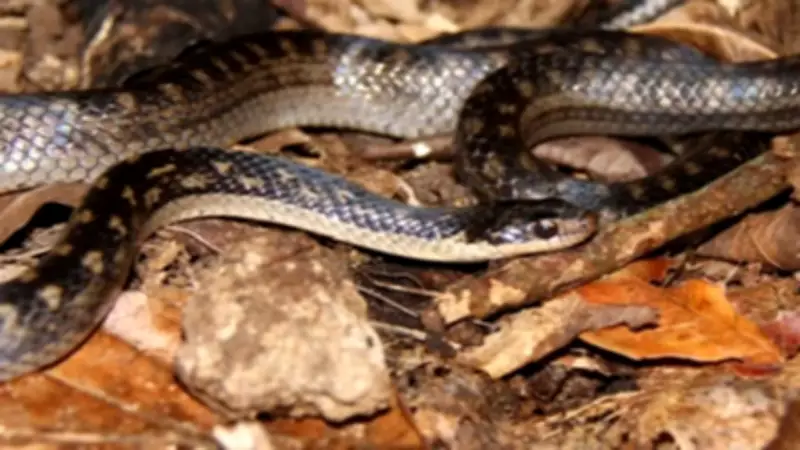
Balcony gardens are becoming increasingly common in Indian cities as residents transform urban spaces into refreshing green oases. However, many balcony gardeners are unaware that certain plants, poor maintenance, and cluttered layouts can inadvertently attract pests such as mosquitoes, rodents, insects, and even snakes in ground-floor homes. According to garden experts, it is often not the plant itself but the surrounding environment that invites unwelcome visitors. Understanding which features attract pests can help create a cleaner, safer, and healthier balcony garden.
Money Plant: Dense Creepers May Offer Shelter
Money plants are among the most popular balcony plants in India due to their fast growth and low maintenance. However, when they spread excessively over grills, corners, pipes, and other objects, their dense creepers can become a shelter for insects, lizards, rodents, and even snakes in certain environments. Regular cleaning and timely trimming of money plants are essential to prevent pests from finding refuge.
Bamboo: Waterlogged and Untidy Conditions May Attract Pests
Bamboo plants are favored for creating a private, natural balcony corner. However, stagnant water retained in bamboo pots or trays can become a breeding ground for mosquitoes, especially during the monsoon season. Additionally, untidy bamboo corners combined with cluttered storage can make these areas attractive to pests. It is crucial to ensure regular draining and cleaning of bamboo plants.

Areca Palm: Dense Foliage May Trap Moisture and Insects
Areca palms are loved for their tropical appearance and cooling greenery, but their thick foliage can trap moisture and reduce airflow if balconies become overcrowded. Mosquitoes and small insects are more likely to gather around damp corners, particularly during the monsoon. Fallen dry leaves beneath pots may also attract ants and tiny pests if not cleaned regularly. Proper spacing and ventilation are important when growing large leafy plants indoors or on balconies.
Jasmine: Fragrant Flowers May Attract Insects
Flowering plants like jasmine naturally attract insects due to their pleasant scent and abundant nectar for bees and butterflies. However, insects and small pests may also use these plants as feeding stations, especially if there is excess moisture in the balcony soil. Regular pruning and timely pest control, rather than removing the plants altogether, are recommended.
Standing Water in Trays: A Breeding Place for Mosquitoes
One of the primary reasons mosquitoes inhabit balconies is stagnant water in trays, buckets, and other containers. Even small amounts of water accumulated during Indian summers and monsoons can quickly become an attractive environment for mosquitoes. Excessive watering of balcony plants without proper drainage turns balconies into mosquito breeding grounds.
Untidy Balcony Corners: May Attract Pests in Certain Locations
Ground-floor apartments, independent houses, and buildings near vegetation may attract rodents seeking shelter in untidy balcony corners with dense overgrowth, cluttered containers, and other objects. Snakes following prey like rats and frogs may also find balconies attractive, though this is rare. Keeping balconies tidy and neat is effective in preventing unwanted visitors.
Proper Maintenance Is Critical in Preventing Pests
Experts advise that most balcony plants do not directly attract unwanted animals. Instead, inappropriate maintenance, excessive clutter, overgrown plants, lack of regular trimming, and untidy waste storage create conditions for pest breeding. Appropriate watering, sunlight, drainage, ventilation, and regular cleaning of greenery are sufficient for maintaining a healthy balcony garden.

Disclaimer: This article is for general informational and gardening awareness purposes only. Most balcony plants do not directly attract snakes or harmful pests on their own. Pest or reptile activity may depend on factors such as stagnant water, clutter, surrounding vegetation, local wildlife presence, hygiene conditions, and regional climate. Readers are advised to maintain proper cleanliness, drainage, and regular plant care in balcony gardens. For wildlife concerns, pest infestations, or snake sightings, contact local pest-control professionals, wildlife rescue organisations, or relevant municipal authorities for safe assistance.