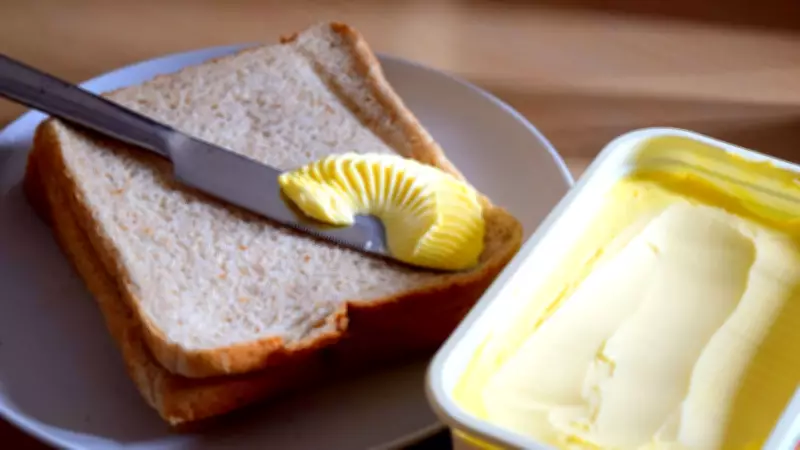
You walk into the grocery store to buy some fats for your kitchen, and you are flooded with options. You stare at the butter and margarine, sitting next to each other. You want something for your toast — but which one should you pick? At first glance, butter and margarine look and feel quite similar. Both are used as spreads. They add richness to your food. Both occupy the same space in your fridge. But there are differences between them that go far beyond appearance. Let’s understand.
What is butter?
Butter is a natural dairy product made by churning cream or milk until the fat separates from the liquid. It has been used for both cooking and baking for centuries. Butter is known for its rich flavour and creamy texture. From a nutritional standpoint, butter contains milk fat, modest amounts of water, and often trace amounts of milk proteins. If you are buying block butter, know that it is hard to spread. The spreadable versions often include added oils. As an animal product, butter contains saturated fat and cholesterol. You can make butter from scratch. All you really need is double cream and lots of time.
What is margarine?
Margarine, on the other hand, tells a different story. It was born in 19th-century France as a budget-friendly butter substitute. This butter lookalike is made from vegetable oils such as palm, soybean, canola, rapeseed or sunflower. These oils are blended with water, emulsifiers and stabilisers to achieve that spreadable consistency. Some brands fortify their products with vitamins to mimic butter’s nutritional profile more closely.

Which is good for your health?
Both butter and margarine are processed foods, but the latter falls under ultra-processed foods, according to the British Heart Foundation. “Numerous studies have linked ultra-processed foods with poor health, including obesity, type 2 diabetes and heart disease. However, the research remains inconclusive. We need to avoid all ultra-processed foods,” they note. Butter provides fat-soluble vitamins such as A, D, E and K2, particularly when made from grass-fed dairy. Margarine tries to mimic this by adding them synthetically rather than naturally. Of course, margarine is an option for vegans, those on plant-based diets, and those with lactose intolerance. For anyone concerned about specific cardiovascular issues, the unsaturated fat profile of margarine may be helpful, but it is important to consult your healthcare provider. Butter is often used in baking because of its creamy texture and luxurious flavour, which makes it a go-to choice for cakes, cookies and biscuits. It is important to understand that neither option is objectively ‘better’. However, if you prioritise taste, butter is more flavourful than margarine. Margarine, on the other hand, is an option for vegans and budget-conscious shoppers. The healthiest choice ultimately depends on your individual dietary needs, values, and how you plan to use it. However, an increasing number of studies stress replacing margarine, butter, mayonnaise and dairy fat with olive oil to lower mortality risk.
Get the latest movie news, reviews, and celebrity updates. Download the TOI App.
About the Author: The TOI Lifestyle Desk is a dynamic team of dedicated journalists who, with unwavering passion and commitment, sift through the pulse of the nation to curate a vibrant tapestry of lifestyle news for The Times of India readers. At the TOI Lifestyle Desk, we go beyond the obvious, delving into the extraordinary. Consider us your lifestyle companion, providing a daily dose of inspiration and information. Whether you're seeking the latest fashion trends, travel escapades, culinary delights, or wellness tips, the TOI Lifestyle Desk is your one-stop destination for an enriching lifestyle experience.