Retirement is often romanticised as the ultimate destination, a hard-earned finish line where alarm clocks are turned off and the calendar is completely cleared. However, when the initial excitement of empty days wears off, many older adults are blindsided by an unexpected emotional challenge: the sudden loss of daily structure. Without a workplace to report to or a growing family to rush around for, it is easy to feel a sense of drifting, where one day blurs seamlessly into the next.
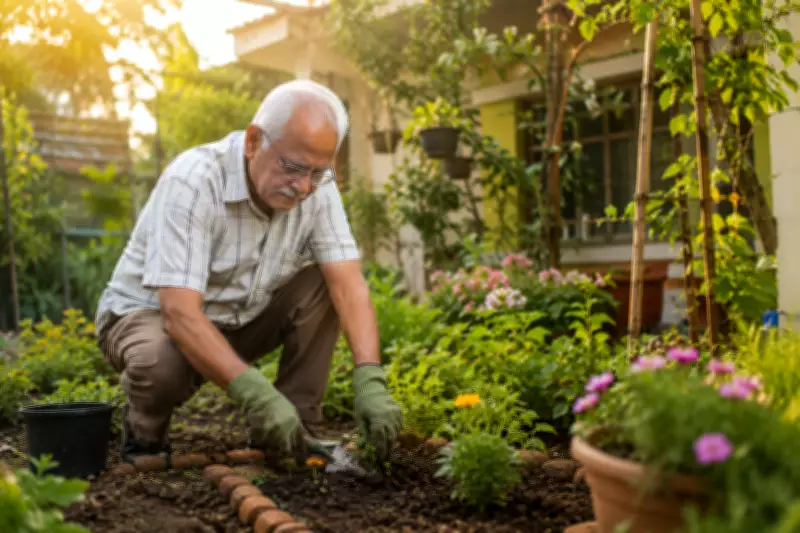
When an older adult spends the early morning in the garden, kneeling in the soil, pruning trees, or growing tomatoes, many people dismiss it as mere leisure. In a culture that prizes productivity and constant busyness, backyard gardening can seem like a trivial pastime. But behavioural psychology and health science suggest that this view misses an important part of the picture.
For older individuals, daily gardening is not a passive distraction or a way to burn daylight. Instead, it is a highly sophisticated, self-guided strategy for emotional resilience and healthy ageing. By interacting with a plot of land almost every day, older adults are actively constructing reliable, self-sustaining loops of biological stress recovery, behavioural structure, and deep personal identity.

More Than Distraction: The Hidden Benefits of Gardening
To really grasp why several elders instinctively seek out the outdoors each day, we need to go beyond the obvious aspect of physical labour. A garden is much more than a place for plants to grow; it is a highly stimulating environment that requires concentration. Once an individual ventures out to their yard, a major change takes place within their mind in the way they perceive the world around them. Thoughts about well-being, health concerns, and everyday stress begin to subside, giving way to the smell of moist soil, the feel of leaves, and the movements of digging and pruning.
This kind of absorption can be beneficial rather than idle. It may help the body recover from the accumulated pressures of daily life.
Turning the Light on Internal Stress Indicators
As we age, our bodies become less able to withstand the accumulated effects of stress. Finding a reliable way to recover from stress becomes a biological need. This exact mechanism was put to the test in a groundbreaking experimental study published in the Journal of Health Psychology. The researchers wanted to see how human physiology recovers from acute mental fatigue. They put participants through a highly stressful task and then split them into two groups: one group relaxed indoors with a book, while the other group went outside to garden.
The researchers did not just ask the participants how they felt; they measured objective, biological data by tracking salivary cortisol levels—the body's primary stress hormone. The results showed a clear difference. While both reading and gardening lowered stress, the gardening group showed a significantly larger drop in cortisol levels. Their positive mood also improved more than that of the indoor leisure group.
Stepping out into the garden on a regular basis every day establishes a routine cycle of biological rejuvenation. Simple exposure to the process of working with the soil can be likened to a natural reset button, which switches off the body's stress response system. Done regularly, gardening may help keep stress responses in check and offer an accessible way to support well-being. By nurturing a garden, older adults actively engage in a routine that builds competence and self-worth, countering feelings of stagnation.
Filling the Post-Retirement Void with Meaningful Routines
Biological recovery from stress is important, but it is only part of the picture. The second, and more profound, part of ageing is the change in one’s identity. When people retire or their children leave home, it can feel as if they have lost control and become passengers in their own lives. It is specifically this aspect of social and emotional challenges of ageing that sheds light on the important conclusions drawn in a paper published in Ageing & Society. This study explores the reasons behind the popularity of gardening among elderly people.

The study found that, after retirement, a garden can provide structure, identity, and routine. A garden is a living system that requires regular care and attention. It does not care about your past professional titles, but it does require your attention today. Without regular watering, seedlings can wither. If weeds are not removed, they can overtake the flowerbeds. This dynamic creates a kind of nurturance loop. It changes the usual experience of ageing. Instead of becoming a passive recipient of care or seeing their roles shrink, the older gardener becomes an active creator, protector, and caregiver. The garden depends on daily choices, physical effort, and specialised knowledge.
Enduring Benefits of Proficiency Gained on a Daily Basis
Such a routine can provide regular positive reinforcement. Every new sprout, ripening fruit, and blooming flower can reinforce a person’s sense of competence. Gardening can produce tangible successes. That feedback can help build self-respect and reduce feelings of stagnation or dependency. Ultimately, we may need to rethink how we view the quiet choices of older adults around us. The individual spending their morning tending to a garden is not just looking for something to do. They are practising intentional living. They are creating a daily anchor and showing how gardening can support mental health, self-worth, and a sense of purpose.