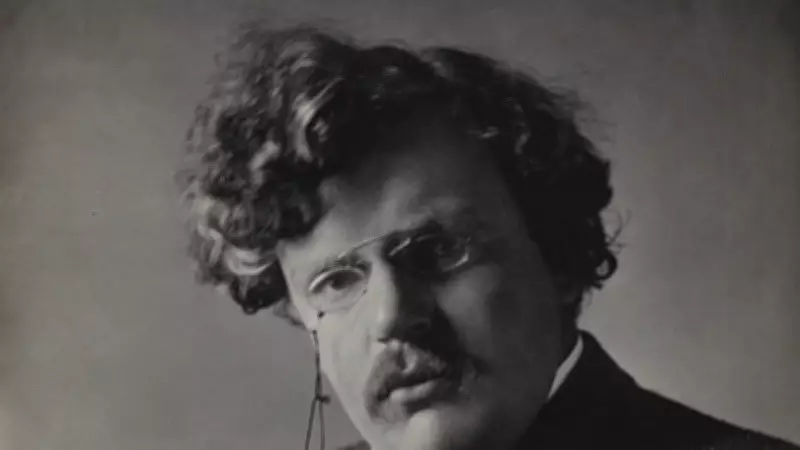
GK Chesterton's Timeless Insight on Health and Rest
In a world that often glorifies constant productivity and hustle, the wisdom of GK Chesterton offers a refreshing perspective on health and well-being. His famous quote, "If a healthy man lies in bed, let him do it without a rag of excuse," serves as a powerful reminder of the intrinsic value of rest and self-care. This statement, though simple, carries profound implications for how we approach our physical and mental health in today's fast-paced society.
The Philosophy Behind the Quote
Chesterton, a renowned English writer and philosopher, was known for his wit and keen observations on human nature. In this quote, he challenges the societal norm that demands justification for taking time to rest. By suggesting that a healthy individual should feel no need to apologize or make excuses for resting, he underscores the idea that rest is a fundamental right and necessity, not a luxury or a sign of laziness.
This perspective aligns with modern understandings of wellness, where adequate rest is recognized as crucial for maintaining physical health, mental clarity, and emotional balance. In an era where burnout and stress-related illnesses are on the rise, Chesterton's words resonate more than ever, urging us to prioritize self-care without guilt.

Applying Chesterton's Wisdom to Modern Life
In contemporary society, many people struggle with the pressure to be constantly active and productive, often at the expense of their health. Chesterton's quote encourages a shift in mindset, where rest is viewed as an essential component of a healthy lifestyle. Here are some ways to incorporate this philosophy into daily life:
- Embrace Rest Without Guilt: Recognize that taking breaks, whether through sleep, relaxation, or leisure activities, is vital for overall well-being. Avoid feeling the need to justify these moments to others or yourself.
- Prioritize Mental Health: Rest is not just physical; it includes mental downtime. Practices such as meditation, reading, or simply unplugging from technology can help recharge the mind.
- Challenge Productivity Culture: Question societal expectations that equate worth with constant activity. Understand that periods of rest can enhance creativity, problem-solving, and long-term productivity.
- Listen to Your Body: Pay attention to signals of fatigue or stress, and allow yourself to rest when needed, without waiting for an "excuse" like illness.
The Broader Impact on Wellness and Personal Growth
Chesterton's insight extends beyond individual health to influence broader aspects of personal growth and societal well-being. By normalizing rest without excuse, we can foster a culture that values balance and holistic health. This approach can lead to reduced stress levels, improved relationships, and a more sustainable lifestyle.
In the context of education and career guidance, this philosophy encourages students and professionals to avoid overexertion and burnout. It highlights the importance of self-care in achieving long-term success and happiness. Moreover, in the realm of public health, promoting rest as a legitimate need can contribute to better health outcomes and a more resilient population.
As we navigate the challenges of modern life, GK Chesterton's words serve as a timeless guide. They remind us that health is not just about avoiding illness but about embracing a balanced approach to living. By allowing ourselves to rest without excuse, we honor our bodies and minds, paving the way for a healthier, more fulfilling life.