India's health system urgently needs a strong preventive and promotive health spine to maximize returns on investment, according to former Union Health Secretary C K Mishra. In an interview with Abantika Ghosh, Mishra argued that while tertiary care investments may appear politically lucrative, it is preventive measures that deliver the greatest long-term benefits for population health and economic efficiency.
Preventive Health as the Core of ROI
Mishra emphasized that the current focus on curative and tertiary care is unsustainable. "As ROI becomes the buzzword in health systems planning, it is investments in preventive and promotive health that give the most benefits," he said. He noted that every rupee spent on prevention can save multiple rupees in treatment costs, reducing the burden on hospitals and the economy.
Political Appeal vs. Long-Term Gains
The former health secretary acknowledged that politicians often favor high-profile tertiary care projects, such as new hospitals or advanced surgical centers, because they are visible and generate immediate public approval. However, he stressed that such investments do not address the root causes of disease. "Preventive health lacks the glamour of a new hospital wing, but it is the backbone of a resilient system," Mishra added.

Data and Impact
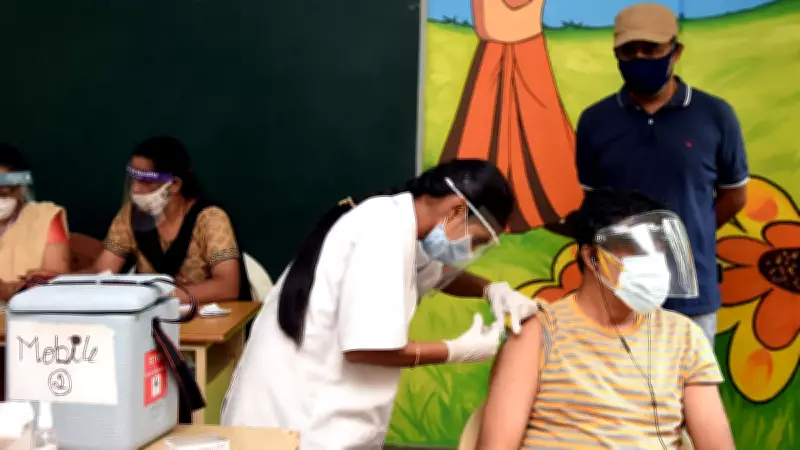
According to a 2023 study by the Public Health Foundation of India, every rupee invested in immunization yields a return of 44 rupees in economic benefits over the lifetime of a child. Similarly, investments in tobacco control and sanitation have shown high cost-effectiveness. Mishra called for a reallocation of health budgets toward community health workers, screening programs, and health education.
Challenges in Implementation
Despite the evidence, India spends less than 2% of its GDP on health, with a disproportionate share going to tertiary care. The National Health Policy 2017 aimed to raise public health expenditure to 2.5% of GDP by 2025, but progress has been slow. Mishra urged state governments to prioritize preventive care, especially in rural areas where access to basic health services is limited.
Way Forward
Mishra recommended integrating preventive health into all sectors, including education, agriculture, and urban planning. He also called for stronger regulatory measures to curb non-communicable diseases, such as taxes on sugary drinks and trans fats. "The spine of our health system must be prevention, not just cure," he concluded.