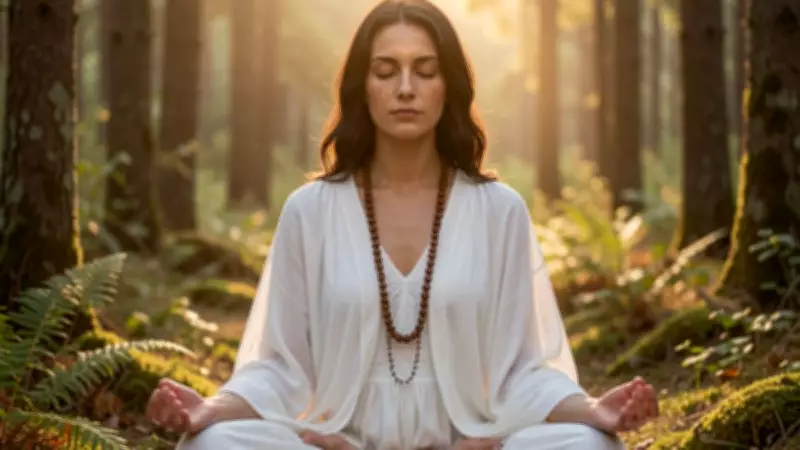
In recent years, there has been a growing recognition of the profound link between mental health, mindfulness, and spirituality, particularly within the Indian context. India, with its rich heritage of spiritual and meditative practices, offers unique insights into how these elements can be integrated to promote overall well-being.
The Ancient Roots of Mindfulness in India
Mindfulness, a practice that involves being fully present and aware of the moment without judgment, has deep roots in Indian traditions. Techniques such as meditation, yoga, and pranayama have been part of Indian culture for thousands of years. These practices are not only physical exercises but also mental disciplines that help cultivate awareness and inner peace.
Spirituality as a Pillar of Mental Health
Spirituality in India often goes beyond religious rituals. It encompasses a search for meaning, connection, and purpose. Many individuals find that spiritual practices provide a sense of belonging and reduce feelings of isolation. Studies have shown that people who engage in regular spiritual activities tend to have lower levels of anxiety and depression.

Modern Applications of Ancient Wisdom
Today, mental health professionals in India are increasingly incorporating mindfulness-based therapies into their practice. Programs like Mindfulness-Based Stress Reduction (MBSR) and Mindfulness-Based Cognitive Therapy (MBCT) are adapted to suit local cultural contexts. These therapies help individuals manage stress, cope with chronic pain, and prevent relapse in depression.
The Role of Yoga and Meditation
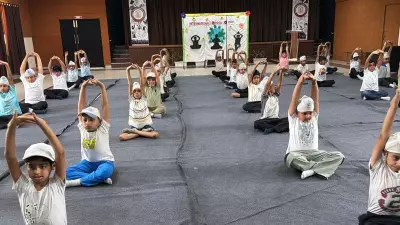
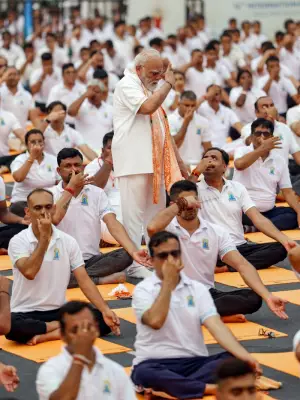
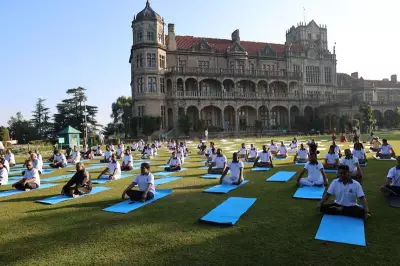
Yoga, which combines physical postures, breathing exercises, and meditation, is widely recognized for its mental health benefits. Regular practice can reduce cortisol levels, improve mood, and enhance cognitive function. Meditation, particularly mindfulness meditation, trains the mind to focus and let go of negative thought patterns.
Challenges and Opportunities
Despite the growing acceptance, there are challenges in integrating mindfulness and spirituality into mainstream mental health care. Stigma surrounding mental health issues persists, and there is a need for more trained professionals. However, the increasing popularity of yoga and meditation apps indicates a shift towards self-care and holistic health.
Community and Support Systems
In Indian society, community support plays a crucial role in mental well-being. Spiritual gatherings, satsangs, and group meditations provide social connections and emotional support. These communal activities can be particularly beneficial for individuals who may not have access to formal mental health services.
Conclusion
The link between mental health, mindfulness, and spirituality in India is both ancient and evolving. By embracing these practices, individuals can cultivate resilience, find inner peace, and improve their quality of life. As research continues to validate these benefits, the integration of mindfulness and spirituality into mental health care holds great promise for the future.