Reimagining India's Old Age Homes in an Era of Urbanization
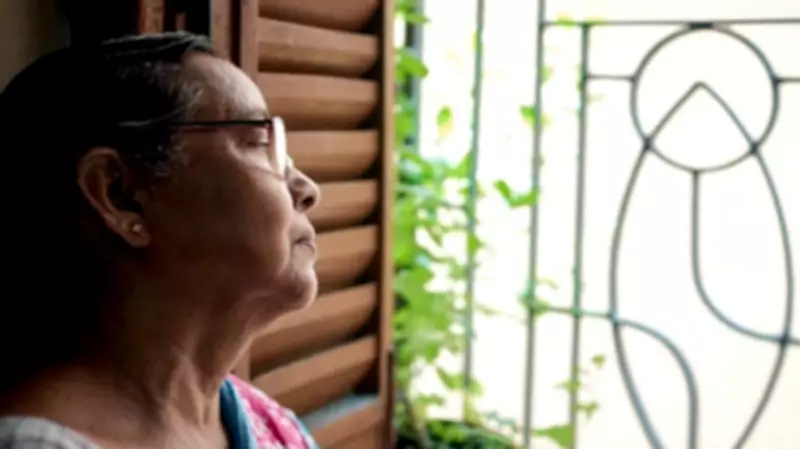
In contemporary India, the rapid pace of urbanization, widespread migration, and evolving societal aspirations are fundamentally altering traditional family dynamics. These shifts often grant older adults greater independence in their later years, yet simultaneously expose them to heightened risks of isolation and loneliness. As nuclear families become more prevalent and younger generations relocate for education and employment opportunities, many seniors find themselves navigating aging with diminished social support networks.
The Impact of Changing Social Structures
Urbanization has accelerated across India, drawing populations from rural areas to cities in search of better prospects. This migration frequently results in older parents remaining behind, separated from their children and grandchildren. Changing aspirations, including career-focused lifestyles and global mobility, further contribute to this geographical and emotional distance. Consequently, the conventional joint family system, which historically provided a safety net for the elderly, is eroding, leaving a void in care and companionship.
Isolation among older adults is not merely a personal issue but a growing public health concern. Studies indicate that social isolation can lead to adverse mental and physical health outcomes, including depression, anxiety, and increased vulnerability to chronic diseases. In this context, old age homes, once viewed as last resorts, are increasingly becoming necessary alternatives for many families.

Transforming Old Age Homes into Community Hubs
To address these challenges, there is a pressing need to reimagine old age homes in India. Rather than being perceived as mere shelters, they should evolve into vibrant community centers that actively combat isolation. This transformation involves several key strategies:
- Enhancing Social Engagement: Designing spaces that encourage interaction through communal activities, hobby clubs, and cultural events can foster a sense of belonging and purpose among residents.
- Integrating Healthcare Services: Providing on-site medical facilities, wellness programs, and mental health support ensures comprehensive care tailored to the needs of the elderly.
- Promoting Intergenerational Connections: Collaborating with schools, colleges, and volunteer organizations to facilitate visits and joint projects can bridge the gap between generations and reduce stigma.
- Adopting Technology: Leveraging digital tools for virtual communication with family members and access to online resources can help seniors stay connected and informed.
By implementing these approaches, old age homes can shift from passive care facilities to active, engaging environments that prioritize holistic well-being. This reimagining aligns with global trends in senior living, where concepts like "aging in place" and "co-housing" are gaining traction, emphasizing autonomy and community integration.
Looking Ahead: Policy and Societal Shifts
The evolution of old age homes requires concerted efforts from policymakers, healthcare providers, and society at large. Government initiatives could include subsidies for innovative senior housing projects, regulations that mandate quality standards, and awareness campaigns to destigmatize institutional care. Simultaneously, families and communities must recognize the importance of supporting older adults, whether through informal networks or formal institutions.
In conclusion, as India continues to urbanize and modernize, the traditional support systems for the elderly are undergoing significant strain. Reimagining old age homes as dynamic, supportive communities is not just a necessity but an opportunity to enhance the quality of life for older adults. By addressing isolation through thoughtful design and inclusive policies, India can pave the way for a more compassionate and connected aging experience, ensuring that later years are marked by dignity, engagement, and meaningful connections.