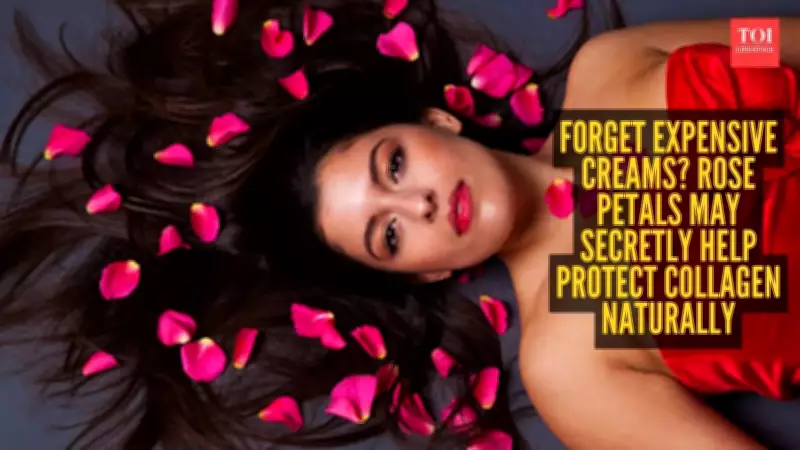
People have used roses in skincare for centuries, from homemade rose water to luxury creams, associating the flower with soft, calming beauty. Modern research now indicates that roses may offer more than just a pleasant scent. While rose petals are not a magical overnight anti-aging fix—they won't erase wrinkles or replace professional treatments—studies suggest that compounds in roses may help protect collagen and elastin from breaking down too quickly. This is significant for maintaining healthy-looking skin, as most skin aging begins when collagen slowly diminishes.
What the Research Says About Rose Petals and Collagen
A 2018 study published in Pharmaceutical Biology examined rose petal extract and found strong antioxidant and anti-inflammatory effects in lab testing. The compounds in rose petals helped combat oxidative stress and inflammation, two major factors that damage skin over time. Oxidative stress from pollution, UV rays, stress, smoking, poor sleep, and unhealthy food can weaken collagen and elastin fibers, leading to duller, thinner, less firm skin. The study suggested that rose extracts may help protect skin cells due to their antioxidant-rich properties.
Rose petals naturally contain flavonoids, polyphenols, anthocyanins, natural antioxidant compounds, and vitamin C-like plant compounds. These ingredients may calm irritation and protect skin proteins from environmental stress. While rose petals do not directly create collagen, they may help the skin retain collagen longer by reducing factors that break it down.

Why Collagen Matters
Collagen acts as the support system beneath the skin, keeping it firm, bouncy, smooth, plump, and elastic. After the mid-20s, collagen production naturally slows each year, and factors like sun exposure, pollution, stress, lack of sleep, dehydration, processed food, smoking, and over-exfoliating can accelerate breakdown. Modern skincare focuses not only on building collagen but also on protecting existing collagen, which is where antioxidant-rich ingredients like rose petals may help.
How Rose Petals May Support Healthier Skin
1. Fighting Free Radical Damage
One of collagen's biggest enemies is oxidative stress caused by free radicals from pollution, UV exposure, stress, and inflammation. These molecules damage healthy skin cells and weaken collagen fibers. Rose petals' antioxidants may neutralize some free radicals before they harm the skin barrier, which is why rose water often leaves skin looking fresher and calmer.
2. Calming Inflammation
Inflammation from acne, stress, harsh scrubs, overusing acids, sunburn, or lack of sleep can weaken skin over time. Rose extracts are known for soothing properties, and the 2018 study highlighted anti-inflammatory benefits that may reduce redness and irritation. Calmer skin typically means healthier skin.
3. Fresher, More Hydrated Skin
Dehydrated skin often looks tired and textured. Rose water can lightly refresh and hydrate the skin barrier, and hydrated skin reflects light better, appearing glowier and smoother. The fresh effect from rose mist largely comes from hydration support.
Easy Ways to Use Rose Petals at Home
Homemade Rose Water Mist
You need fresh organic rose petals and distilled water. Simmer petals in distilled water for 15–20 minutes until they lose color, cool, strain, and store in a clean spray bottle in the refrigerator. Use as a face mist before moisturizer, after sun exposure, to refresh tired skin, or on hot days.
Rose Petal Face Mask for Glow
Mix crushed fresh rose petals with honey and yogurt or aloe vera gel. Apply for 10–15 minutes and rinse gently. Honey locks in moisture, yogurt offers gentle exfoliation, and rose petals add soothing antioxidants. This mask leaves skin softer, calmer, and more refreshed.
Rose Tea for Internal Benefits
Drinking rose tea provides natural antioxidants that may reduce internal oxidative stress. Hydration plus antioxidants can support healthier-looking skin overall. Small supportive habits add up over time.

Realistic Expectations
Rose petals are helpful but not a miracle anti-aging treatment. They are not Botox, fillers, or instant collagen replacement. They gently support skin health when combined with daily sunscreen, proper sleep, hydration, protein intake, stress management, and consistent skincare. Dermatologists emphasize that sunscreen is the most critical step for protecting collagen, as UV rays directly break down collagen fibers and speed up aging. Rose water works best as a supportive addition, not the entire routine.
Why Rose Skincare Remains Timeless
Rose-based skincare is comforting, gentle, cooling, nostalgic, and calming. Unlike harsh actives, rose water is mild for sensitive skin. With research backing its antioxidant and anti-inflammatory properties, the obsession with roses makes sense. Old beauty rituals may not have been random traditions; science may have been hiding behind those bowls of rose water and homemade face masks all along.
About the Author: TOI Lifestyle Desk — A dynamic team of dedicated journalists curating lifestyle news for The Times of India readers, covering fashion, travel, food, wellness, and more.