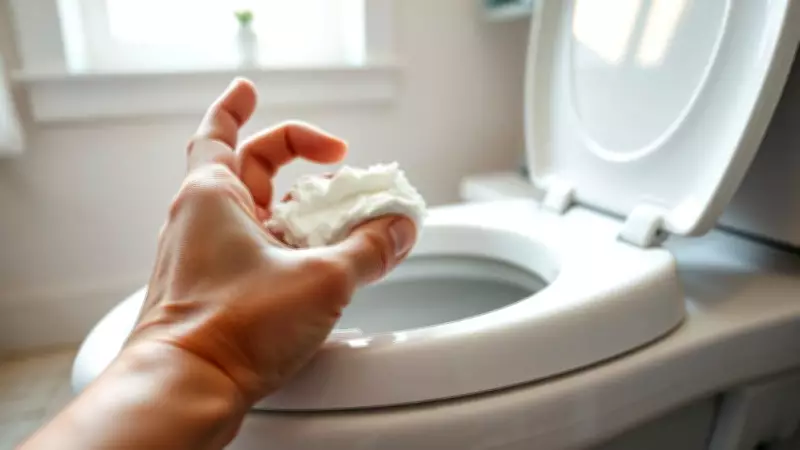
Bathroom cleaning is rarely a favorite chore, and the toilet seat often demands thorough scrubbing. Instead of relying on chemical-laden sprays and abrasive brushes, many people have discovered an effective cleaning solution hidden in their medicine cabinets: a combination of toothpaste and baking soda.
The Science Behind the Paste
This mixture creates an effective cleaning paste that eliminates germs and grime without unpleasant odors. The method is grounded in proven scientific principles, particularly from dentistry, where both ingredients are known to remove tough biofilm and deep stains. By applying this oral hygiene technology to bathroom cleaning, you can maintain a high standard of cleanliness without damaging fixtures with traditional abrasive sponges.
Baking Soda as an Effective Cleanser
The star ingredient is sodium bicarbonate, or baking soda, known for its low abrasiveness. It effectively cleans surfaces while leaving them undamaged, which is crucial for plastic, wood, and painted bathroom items. A comprehensive review titled Stain removal and whitening by baking soda dentifrice explains that baking soda crystals have a unique mechanical action: firm enough to disrupt stain chemical bonds but soft enough to crumble before scratching delicate surfaces. The study found that baking soda-based formulations are superior at lifting surface discoloration compared to many standard cleaning agents, making them ideal for restoring the whiteness of a toilet seat. The paste is gentle on surfaces, provides a spotless shine without harsh chemicals, and is safe for families and the environment.

In addition to polishing, baking soda acts as a natural buffer. As an alkali, it neutralizes the acidic environment where many bacteria thrive. This characteristic helps break up organic biofilm, the hidden environment where bacteria nest.
Toothpaste for Better Hygiene
While baking soda provides abrasiveness, toothpaste acts as a delivery agent and adds cleaning components. Almost any toothpaste contains surfactants that create foam and help the paste reach into small cracks and crevices. A long clinical study published in The Journal of Clinical Dentistry highlights how well these ingredients work together. Researchers found that pastes with high baking soda content (20% and higher) excelled at removing biological film compared to standard fluoride pastes. This cleaning ability is important not only for teeth but also for removing biofilm from toilet seats.
The study also emphasized the safety of this combination. Even after six months of regular use, the formulations caused no irritation or surface degradation. This gives homeowners peace of mind that the paste won't leave harmful chemical residues that could irritate sensitive skin. It is a non-toxic alternative safe for children, pets, and the environment.
How to Use the Paste
To use this method, take some toothpaste and mix in enough baking soda to form a paste. Spread the paste on the toilet seat using a wet cloth or sponge. Let it sit for a few minutes to allow the solution to work, then rinse it off. This leaves you with a clean toilet seat without the need for any brush.