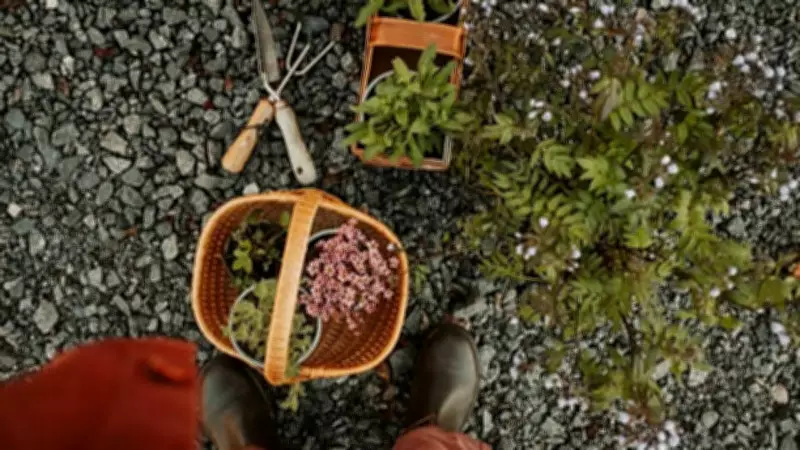
In a hectic world full of deadlines, notifications, and the need for rapid actions, gardening usually provides a different atmosphere to relax and enjoy a few moments in silence. Plants develop and grow gradually, flowers bloom on their own terms, and seasons change slowly. All these peculiarities of nature make today's gardeners regard not only the practice itself but also its ability to teach an individual something essential and valuable regarding his or her life path. Over the years, people have started understanding some fundamental lessons taught by nature patiently and silently.
Gardening teaches that growth cannot be rushed
Firstly, a gardener learns how everything grows at its own natural pace, meaning there is no way to force anything. Seeds usually take days to sprout, flowers do not bloom when a person expects them to, and plants may refuse to develop despite all care provided to them. In such a way, a person gets an excellent opportunity to learn how to be patient and wait for what he or she needs without trying to rush nature. Gradual development also encourages a person to be more patient regarding his or her personal life.
Every season brings changes, and it is normal
A gardener usually sees changes coming every day since they occur in nature constantly. While some plants may flourish during summer, other species bloom better in monsoon seasons. Leaves can dry out, flowers may fall off, and plants may stop developing to appear healthier later on. The natural order of change teaches people that tough times are inevitable in life, but sometimes one should stay silent and wait for better times.

Caring about plants promotes consistency
The success of plants depends not on any single day but on the whole period spent taking care of plants. Regular watering, timely checking of soil moisture, getting rid of dead parts, and controlling overall plant condition is usually needed to maintain healthy plants. Thus, a gardener can learn how to be consistent and persistent in what he or she is doing since it is impossible to keep flowers well after having visited the garden rarely.
Gardening makes a person slow down
Today, a modern routine encourages a person to work harder and move faster. However, gardening requires the ability to perform simple actions quietly, and watering plants and touching soil become great moments to relax and stop thinking about various stressful activities. Gardening also encourages a person to be mindful of the surrounding nature, and many gardeners note how relaxed they usually feel after visiting their gardens.
Mistakes and failures in gardening happen often
Despite the care taken about plants, sometimes it is not possible to maintain everything perfectly because some unexpected things can happen anyway. A seed can refuse to sprout, leaves can turn yellow, and weather conditions can ruin the whole garden. Thus, gardening teaches one not to get upset when making mistakes, but use them to learn from them and try again later on.
Simple moments start gaining significance
Gardeners usually pay attention to simple details that usually remain unnoticed during busy days: a leaf appears, the smell of watered soil becomes noticeable, and flowers blossom after long weeks of care. Such moments usually teach a person to be grateful and happy because of small improvements that happen during this time and connect him or her with nature.