The Missing Link in Viksit Bharat 2047: Youth Mental Wellbeing
As India charts its ambitious course toward becoming a developed nation by 2047 under the Viksit Bharat vision, a critical component remains dangerously overlooked: the mental wellbeing of its youth population. This glaring gap, if left unaddressed, threatens to undermine the very foundation of sustained national progress and economic transformation.
The Demographic Advantage at Risk
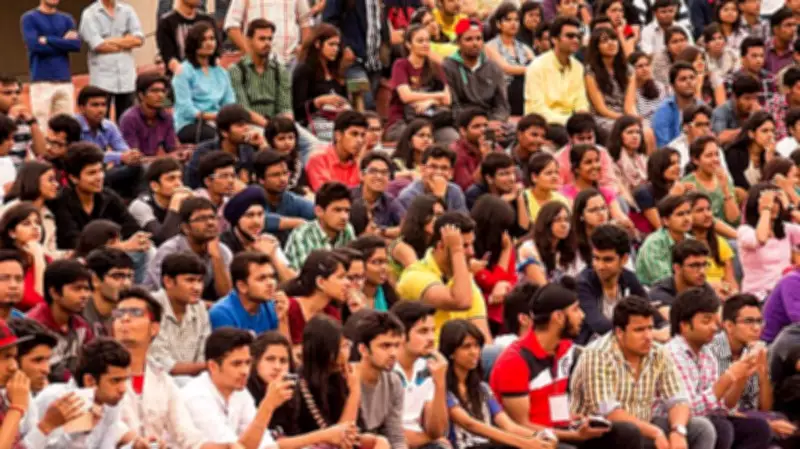
India possesses one of the world's most significant demographic advantages, with over 65% of its population below the age of 35. This youthful workforce represents unprecedented potential for driving innovation, productivity, and economic growth. However, this advantage is conditional upon the mental and emotional health of these young citizens being adequately supported and nurtured.
Recent studies indicate alarming trends in youth mental health across educational institutions and workplaces. Rising rates of anxiety, depression, and stress-related disorders among adolescents and young adults suggest that the country's most valuable resource—its human capital—faces significant challenges that could compromise its full potential.

The Productivity Paradox
The connection between mental wellbeing and productivity is well-established but frequently underestimated in national development planning. Young individuals struggling with mental health issues often experience reduced cognitive function, diminished creativity, lower work engagement, and increased absenteeism. These factors collectively erode the quality and quantity of their contributions to the national economy.
"A nation cannot achieve developed status with a population burdened by untreated mental health challenges," observes Dr. Anjali Sharma, a leading psychologist specializing in youth development. "The Viksit Bharat vision requires not just infrastructure and economic policies, but fundamentally healthy minds capable of innovation and sustained effort."Systemic Gaps in Mental Health Infrastructure
India's current mental healthcare system reveals several critical deficiencies that specifically impact young people:
- Severe shortage of mental health professionals relative to population needs
- Inadequate integration of mental health services in educational institutions
- Persistent stigma preventing youth from seeking help
- Limited awareness about early intervention and prevention strategies
- Insufficient workplace mental health policies and support systems
These systemic gaps create barriers that prevent young Indians from accessing timely and appropriate mental health support, potentially derailing their personal development and professional trajectories.
Integrating Mental Wellbeing into National Development
For the Viksit Bharat 2047 vision to materialize successfully, experts emphasize that mental health must become an integral component of national development strategy. This requires a multi-faceted approach that addresses prevention, intervention, and destigmatization simultaneously.
Key recommendations include:
- Implementing comprehensive mental health education programs in schools and colleges
- Establishing accessible counseling services across educational and workplace settings
- Developing national awareness campaigns to reduce stigma surrounding mental health
- Integrating mental wellbeing metrics into national development indicators
- Creating supportive workplace environments with mental health policies and resources
The Economic Imperative
The economic argument for prioritizing youth mental health is compelling. The World Health Organization estimates that depression and anxiety disorders cost the global economy approximately $1 trillion annually in lost productivity. For India, with its vast youth population, the potential economic impact of unaddressed mental health issues could be staggering, potentially undermining the very economic growth the Viksit Bharat vision seeks to achieve.

Investing in youth mental health represents not just a social responsibility but an economic necessity. Healthy, resilient young minds are essential for driving the innovation, entrepreneurship, and productivity required to transform India into a developed nation by 2047.
A Call for Integrated Action
The path to Viksit Bharat 2047 must include a robust framework for youth mental wellbeing. This requires coordinated efforts across government agencies, educational institutions, healthcare providers, employers, and community organizations. Only through such integrated action can India ensure that its demographic dividend translates into sustainable human capital development.
As the nation approaches the quarter-century mark toward its 2047 goal, the time for decisive action on youth mental health is now. The alternative—a generation limited by untreated mental health challenges—represents a risk India cannot afford to take if it truly aspires to developed nation status.